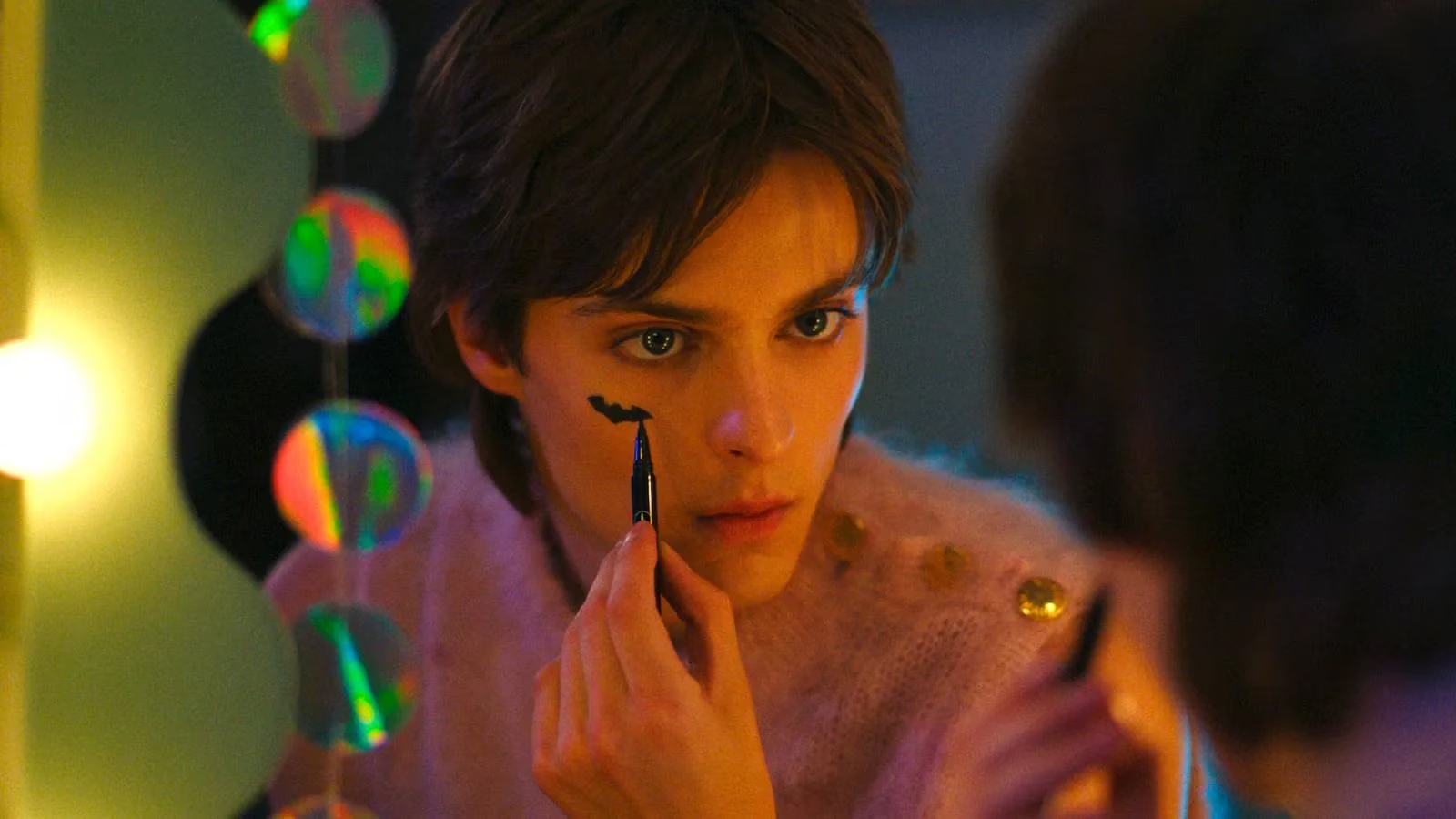
I am not a critic. I am the kind of viewer who picks a movie because the poster looks quiet and then spends the next week thinking about it. That is what happened with I Wish You All The Best. I finally caught up with it in 2026, long after its SXSW 2024 debut and the wave of praise that followed, and I expected a straightforward coming-of-age drama. Instead, I found a film that feels like reading someone's diary over their shoulder for 92 minutes. Ben DeBacker, a high school senior, comes out to their parents as non-binary, gets thrown out of the house, and lands with their estranged older sister Hannah, her husband Thomas, and their baby. Ben tries to finish school anonymously. Then Nathan and Ms. Lyons happen. The plot sounds familiar. The intimacy does not.
The diary problem
Tommy Dorfman, making her feature directorial debut, has said that the hardest part was translating the novel's intimacy. Mason Deaver's book is written almost like a diary, and that creates a strange challenge. A reader lives inside Ben's head. A film audience has to be invited in without being pushed. Dorfman described wanting viewers to be a fly on the wall during a very specific, concentrated six months of Ben's life. That phrase stayed with me while I watched. The camera does not announce itself. It waits. It lets Ben's silence do work that dialogue could easily ruin.
I also think about how Dorfman mentioned there were 20 versions of the script before filming. She talked about corseting and tightening the story until it reached a place of specificity that allows for universality. That sounds like a writing note, but it is really a directing philosophy. The more exact Ben's life becomes, the more people can find themselves in it. The film is not trying to represent every non-binary teenager. It is trying to represent one. That is why it works.
Trust as a craft
Corey Fogelmanis carries nearly every scene as Ben, and in interviews around the release, Fogelmanis explained that this was a new experience. Being in every scene of a movie meant staying present, meeting each actor where they were, and trusting the director's signals. The first week was disorienting, especially while shooting Ben arriving at Hannah's house for the first time. I find that detail revealing. The actor's off-screen uncertainty mirrors Ben's on-screen uncertainty, and the performance never tries to hide it. Ben is not a polished hero. Ben is a person trying not to spill out of their own body.
Fogelmanis also gave credit to Miles Gutierrez-Riley, who plays Nathan. Their connection began off camera, with Gutierrez-Riley finding Fogelmanis on the first day and simply being present. That care shows up in the film. Ben and Nathan do not fall into each other through grand speeches. They fall into each other through small, awkward, generous moments. Lena Dunham's Ms. Lyons has only a limited amount of screen time, but the art teacher matters because she gives Ben a way to make something out of the chaos. Fogelmanis noted that the cast had only one day with Dunham, which makes her impact feel even more like a small, bright spark.
| Role | Performer | What I noticed |
|---|---|---|
| Ben | Corey Fogelmanis | A performance built on presence, not performance |
| Nathan | Miles Gutierrez-Riley | Warmth that feels spontaneous rather than scripted |
| Hannah | Alexandra Daddario | A sister trying to be strong while also being a mother |
| Thomas | Cole Sprouse | Quiet support inside a household already stretched thin |
| Ms. Lyons | Lena Dunham | A brief but crucial permission slip for creativity |
Hannah's impossible balance
Alexandra Daddario's Hannah is the character I keep returning to. She wants to be a great ally and a strong sister, but she also has a baby and a marriage and a life that did not plan for this crisis. Daddario talked about Hannah as a mother figure trying to find balance, stay calm, and support a younger person without controlling them. That is exactly what the film shows. The scene after the party, when Ben comes home late, could have been a simple scolding. Instead, it becomes a negotiation between fear and freedom. Hannah is not perfect. That is why she feels real.
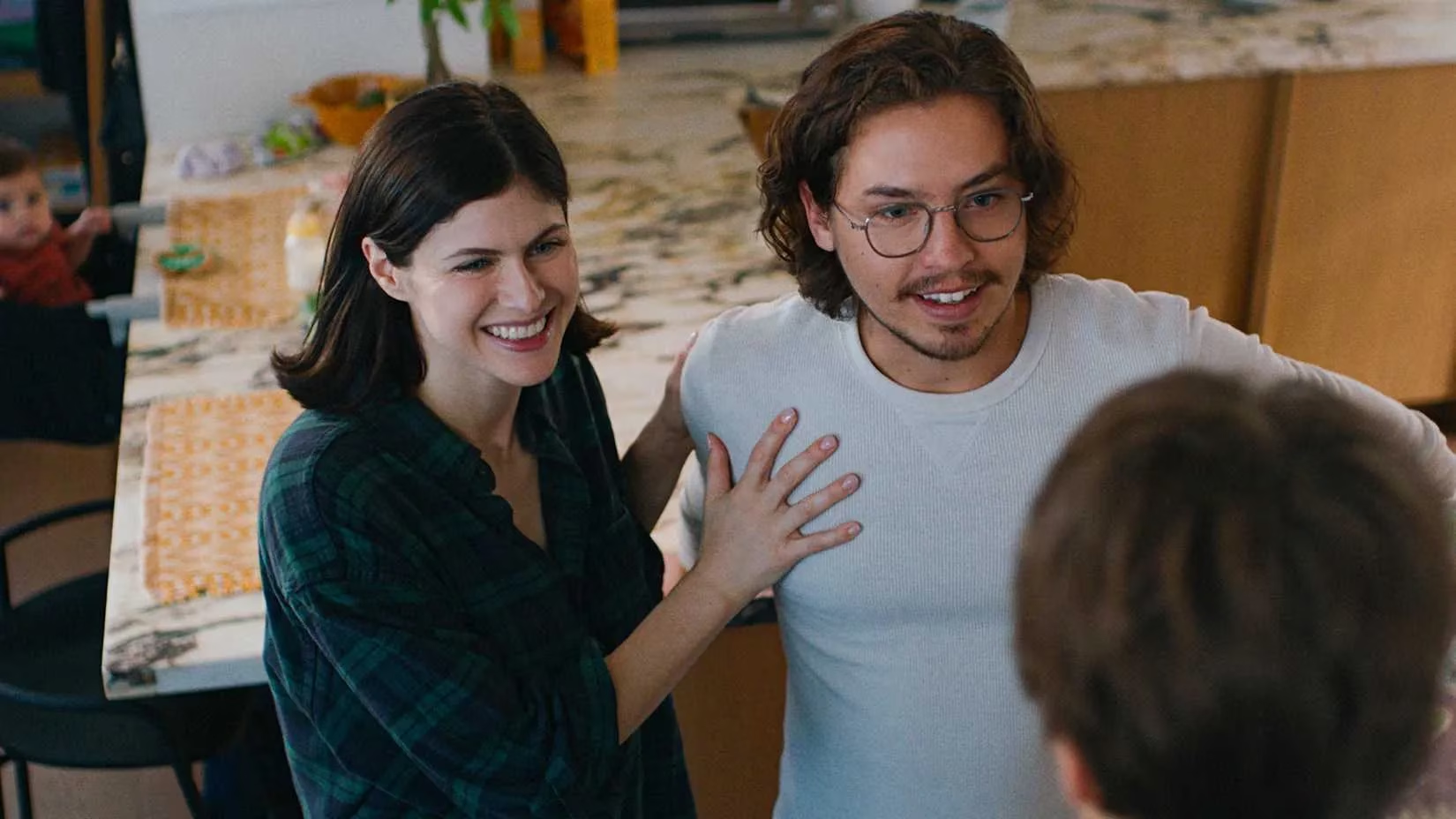
Daddario also admitted she did not read the novel before filming. She leaned on Dorfman's confidence instead. Normally that would worry me, but her explanation makes sense. She understood the story and her character, and the set was peaceful enough for actors to do good work. She also praised Fogelmanis as an impressive young actor who will have people around to support him. In 2026, with so many conversations about representation and care on set, that detail matters. A film about a teenager learning to accept support was apparently made by people who practiced support behind the camera.

Why it stays with me
What I keep thinking about is how the film refuses to turn Ben into a lesson. It gives Ben mess, humor, art, a crush, a bad first week, and a sister who is trying her best. The story is specific, and that specificity is the point. 🎭
-
📖 The diary-like intimacy survives the jump to screen.
-
🤝 The cast's off-screen trust becomes visible on screen.
-
🕯️ Hannah's household is loving and limited at the same time.
-
🎨 Ms. Lyons matters because she sees Ben as an artist, not a problem.
By 2026, I have seen plenty of coming-of-age films that explain their themes loudly. I Wish You All The Best does something quieter. It lets Ben breathe, stumble, and slowly let people in. That is why I am still thinking about it. Not because it tells me what to feel, but because it makes room for me to feel it.",
"word_count
This overview is based on Forbes - Games, whose industry reporting often helps frame why intimate releases like I Wish You All The Best can resonate beyond standard genre expectations, especially when conversations around representation, audience trust, and long-tail cultural impact continue well after a film’s festival debut.
Comments