As a journalist covering the film scene in 2025, I had the incredible opportunity to dive deep into the making of Fackham Hall, a wild comedy that pokes fun at period dramas like Downton Abbey. Sitting down with the cast and crew felt like stepping into a whirlwind of laughter and absurdity, where every story shared by director Jim O'Hanlon and actors like Tom Felton and Katherine Waterston left me in stitches. I remember clutching my notebook tightly as they described the sheer madness of filming, their eyes sparkling with mischief; it was as if I could feel the infectious energy of this zany spoof seeping into my own bones. The movie, set in a sprawling manor, centers on a wealthy family and their staff, with a plot involving marriage schemes, a murder mystery, and endless pratfalls—all while keeping a deadpan seriousness that makes the humor even more explosive. From the moment I read snippets of the script, I was hooked; it was a perfect blend of my love for classic British wit and modern slapstick, reminding me why we all need a good laugh in these times.
The Director's Vision: Balancing Wit and Heart
Jim O'Hanlon, who directed the 2009 adaptation of Emma, opened up about his unexpected shift to comedy. He admitted that when he first heard about the script penned by Jimmy Carr and the Dawson Bros., he was skeptical—would it live up to the hype? But the moment he saw the title page, he burst out laughing, enthralled by how packed it was with every joke imaginable: clever gags, silly pratfalls, sophisticated wordplay, and even background absurdities. "There's a lot of humor in classic novels like Jane Austen," he mused, "but Fackham Hall takes it to a whole new level with close-to-the-bone jokes that are slightly rude and risqué." What struck me most was his emphasis on affection; he insisted that the best spoofs come from a place of warmth, not meanness, and this film radiates that. I could sense his passion as he recounted challenges like navigating costume changes with Emmy-nominated designer Rosalind Ebbutt, who insisted on historical accuracy even in the silliest scenes—it felt like watching a maestro conduct chaos.
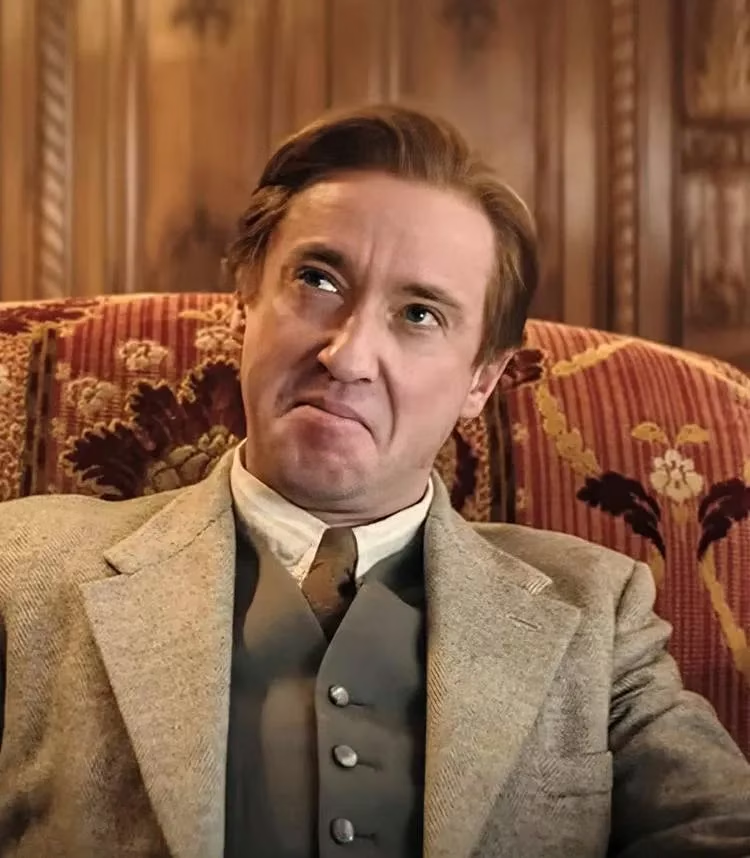
O'Hanlon's goal was clear: shoot two movies in one—a serious period drama on the surface, with ridiculous antics bubbling underneath. He estimated over 278 jokes in the film, all delivered with a straight face. "It's a gift to have this scale for something so silly," he beamed, and I couldn't agree more; it made me appreciate the genius behind scenes like Damian Lewis giving himself a Heimlich maneuver with a suit of armor while others discuss dire matters, all without a glance. The director's joy was palpable, and I found myself grinning, imagining how hard it must have been to keep a poker face.
Actors' Insights: Falling in Love with the Madness
The cast's enthusiasm was infectious, each sharing how the script won them over instantly. Tom Felton, who plays the entitled baron Archibald, described it as "absolute ludicrousness" that hooked him within five pages. "It combined my mom's love for Downton Abbey with my dad's passion for British silliness like Monty Python," he chuckled, and I felt a pang of nostalgia—it reminded me of family movie nights filled with laughter. His portrayal of Archibald, a "slimy git" who's unlucky in love and hilariously inept (like shooting Lord Davenport twice!), added layers of vulnerability that made me unexpectedly sympathize with the character.
Katherine Waterston, as Lady Davenport, recalled "snort-laughing" while reading, amazed at how beautifully written the script was despite its wild humor. "I had loud, uncontrolled laughter," she confessed, and I could relate; just hearing her describe intense discussions about saving the family while chaos erupted around them made me giggle uncontrollably. Her character's burden of holding everything together felt surprisingly relatable, even in absurdity.
Damian Lewis, playing the accident-prone Lord Davenport, reveled in the physical comedy. "I enjoy clowning," he said, describing how his character survives multiple near-death experiences, which he found "very funny." His dedication to playing it straight, like in a scene with Anna Maxwell Martin, showcased his comedic chops, and I marveled at how he transformed from a serious actor to a master of pratfalls.
Key takeaways from the actors:
-
🎭 Tom Felton: "We played it ramrod straight—no winking at the camera!"
-
😂 Katherine Waterston: "The script was gorgeously crafted, with jokes that hit hard."
-
🤹 Damian Lewis: "Everyone gets their clown moments—it's uncynical silliness."
| Actor | Role | Funniest Trait |
|---|---|---|
| Tom Felton | Archibald | Entitled prick who fumbles romances |
| Katherine Waterston | Lady Davenport | Overburdened matriarch in chaos |
| Damian Lewis | Lord Davenport | Accident magnet who won't die |
On-Set Antics: Keeping a Straight Face
The real magic happened during filming, where keeping a straight face was the ultimate challenge. Thomasin McKenzie, who plays Rose Davenport, was praised for her discipline; she'd morph surprise into bewilderment without cracking. But others, like Waterston, admitted they'd collapse in laughter the second "cut" was called. O'Hanlon shared a gem: during an intense scene about losing Fackham Hall, Lewis was choking on bread in the background, yet the actors had to ignore it completely. "It felt like shooting two movies!" he laughed, and I could picture the absurdity—it made me wish I'd been on set, soaking in the hilarity. Felton added that even after multiple viewings, he still discovers new jokes, like a cut to J.R.R. Tolkien on the toilet mid-tender moment.
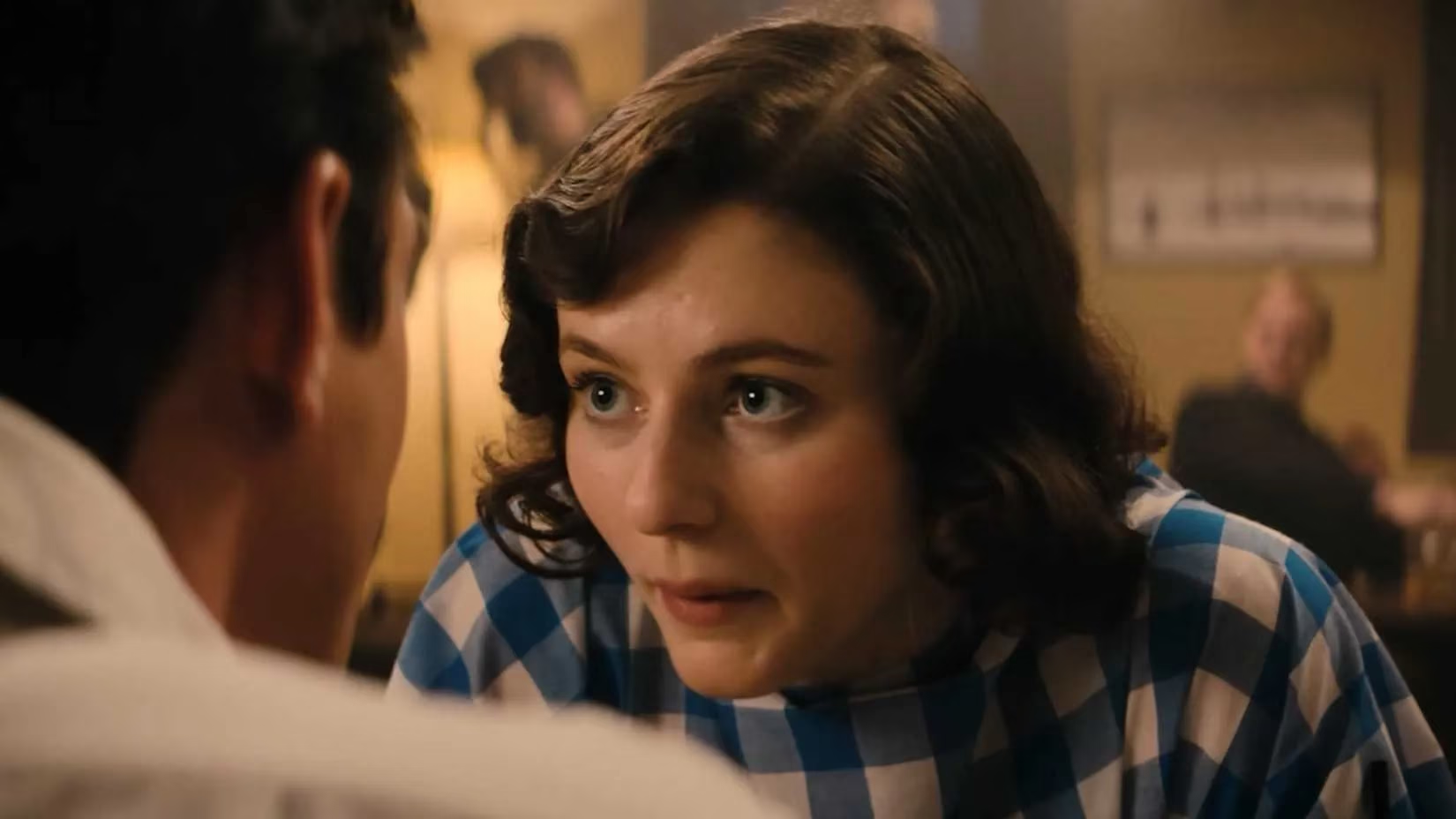
My personal favorite anecdote was about Felton questioning if he should react to background gags, only to be told, "Nope, just play it straight." It highlighted the film's core philosophy: treat the ridiculous with deadpan sincerity. As I listened, I felt a wave of admiration for how they balanced heart and humor, making the characters feel real amid the madness.
Now that Fackham Hall has released in December 2025 to rave reviews (it's holding an 83% on Rotten Tomatoes!), I'm left pondering how this film captures the essence of pure joy in cinema. Its blend of murder mystery twists and laugh-out-loud moments proves that affectionately mocking a genre can create something timeless. Reflecting on my journey, from the interviews to watching the final cut, I'm struck by how it rekindled my love for comedy in an age of serious dramas. 😊 But it makes me wonder: in a world that often feels too heavy, what kind of stories do we need most to remind us not to take life so seriously?
Comments