I walked into Regretting You expecting the usual book-to-screen anxiety: a beloved Colleen Hoover story, a cast with huge expectations, and a fandom that already knows every emotional beat. I left thinking less about fidelity and more about why Hoover's stories hit so hard. As a gamer, I spend a lot of time with branching choices and regret mechanics, but this film is a reminder that human choices do not reset. Released on October 24, 2025, and still part of the conversation in 2026, Regretting You is the third Hoover adaptation after the short-lived Confess and the box-office giant It Ends With Us, which grossed over $351 million. That context matters, but the movie earns its own space.

Why Hoover's Voice Cuts Through
I am not surprised that the film's press conversations kept returning to Hoover's popularity. Her work tends to provoke strong reactions, and the cast and director understand why. Sam Morelos, who plays Lexie, framed it as a matter of honesty: Hoover writes without apology, and that either pulls you in or pushes you away. A very middle-ground reaction, she suggested, would be a bad sign. I agree with that instinct. The stories that stay with me are rarely the ones that try to please everyone.
Josh Boone, who directs Regretting You, connected with the material for the same reason he was excited about its theatrical release. He wanted to make a movie about partners and families, about love and mortality, and about people who pass away and leave your life changed. He also spoke about wanting the kind of variety he remembers from the 1990s, when a weekend could offer five very different movies in theaters. That is a practical, almost curatorial reason to make a film like this, and it shapes the experience.
A Story Built on Grief, Betrayal, and First Love
The core of Regretting You is painful and simple. A car accident changes five lives forever when it reveals that the husband and wife of a pair were cheating with each other. The widows and the daughter are left grieving, confused, and unable to separate sadness from betrayal. That premise could easily become pure melodrama, but the film keeps returning to the messy human details: the way grief complicates love, the way a family can share a house and still hide entire inner lives from one another.
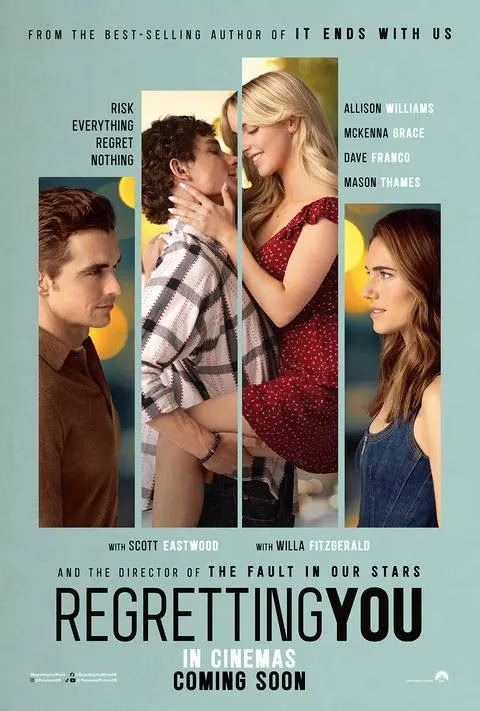
Boone assembled a strong cast for this emotional minefield: Allison Williams as Morgan, Mckenna Grace as Clara, Dave Franco as Jonah, Mason Thames as Miller, Willa Fitzgerald, and Scott Eastwood as Chris. The film is a drama, but the people in it are not solemn all the time. Dave Franco described it as having a little bit for everyone, mixing heavy emotions with surprising humor. He compared its feel to a Cameron Crowe movie, naming Jerry Maguire, Almost Famous, and Say Anything as touchstones. That comparison makes sense to me. The movie wants to hurt you and make you laugh, sometimes in the same scene.
The Mother-Daughter Friction

Mckenna Grace's Clara is the emotional center for a lot of the story. Grace spoke about the pressure of playing a character readers already imagine. She read the book and script repeatedly, talked with Boone every week, and tried to preserve as much of the source material as possible while hoping fans would be happy. She also admitted to a fear of overacting, which is a very real challenge in a story this loaded. Clara is dealing with grief, betrayal, and first love at once, and Grace chose to go for it rather than hold back.
The relationship between Clara and Morgan is the film's sharpest edge. Grace and Allison Williams built that mother-daughter tension with real friction, so much so that they looked forward to scenes where the characters were merely neutral with each other. Williams called Grace genuinely kind and incredibly talented, which made the yelling and conflict the hardest part of the job. That sounds right to me. The best family stories are not built on grand speeches alone; they are built on the exhausting repetition of love and irritation.
Williams also connected Morgan's arc to her own experience of motherhood. For her, parenthood has been an exercise in letting go, and control is appealing to her. Morgan is lost in a different way: her daughter has been her passion, and she does not know what her own passion is anymore. That idea lands because it is so ordinary and so sad. The film's big emotional reveal does not give Morgan and Jonah a clean sadness. It complicates their grief, and they have to figure out whether they are allowed to live differently after learning that people around them were living as if they might die tomorrow.
Miller, Lexie, and the Supporting Heart
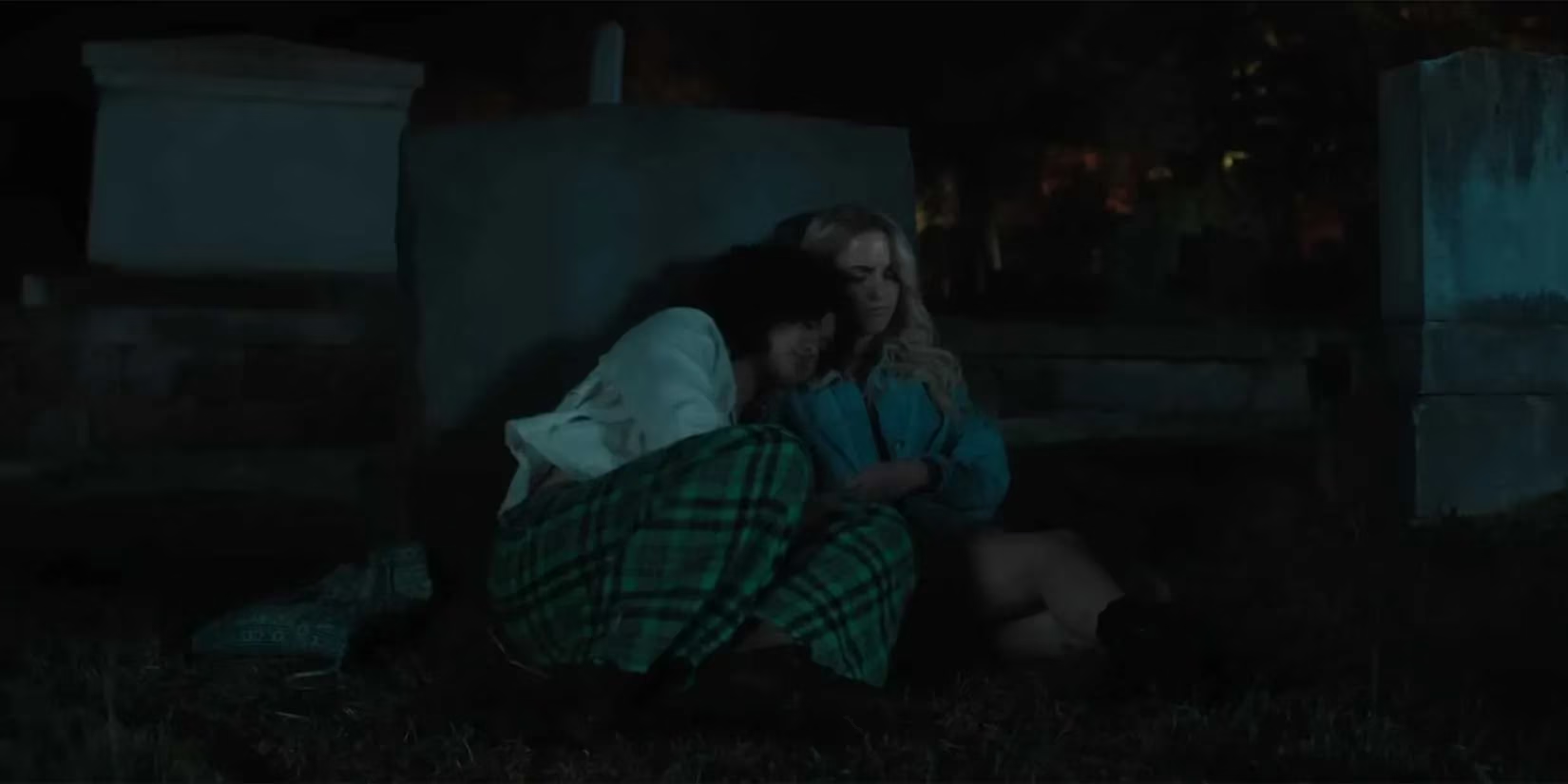
Mason Thames brings a quiet strength and humor to Miller, and he described the character as closer to himself than many roles he has played. Miller is a film geek, and Thames clearly enjoyed bringing that specificity to life. The chemistry between Thames and Grace was not forced. They met a year before filming, clicked quickly, and became friends before the cameras rolled. That ease matters. Clara and Miller bicker and joke, but there is heart underneath, and the film needs that lightness to survive its heavier turns.
Sam Morelos has a similar task with Lexie. Lexie is Clara's closest friend, and Morelos built the role from the passages in the book while also making it her own. She noted that Lexie works three jobs, has a mother who is not really involved, and carries a heavy personal life that the movie cannot fully show. That contrast is the key: Lexie is light because the rest of her life is heavy. I love that approach to character work. It turns a supporting friend into a person with a private engine.
Jonah, Chris, and the Quiet Guilt
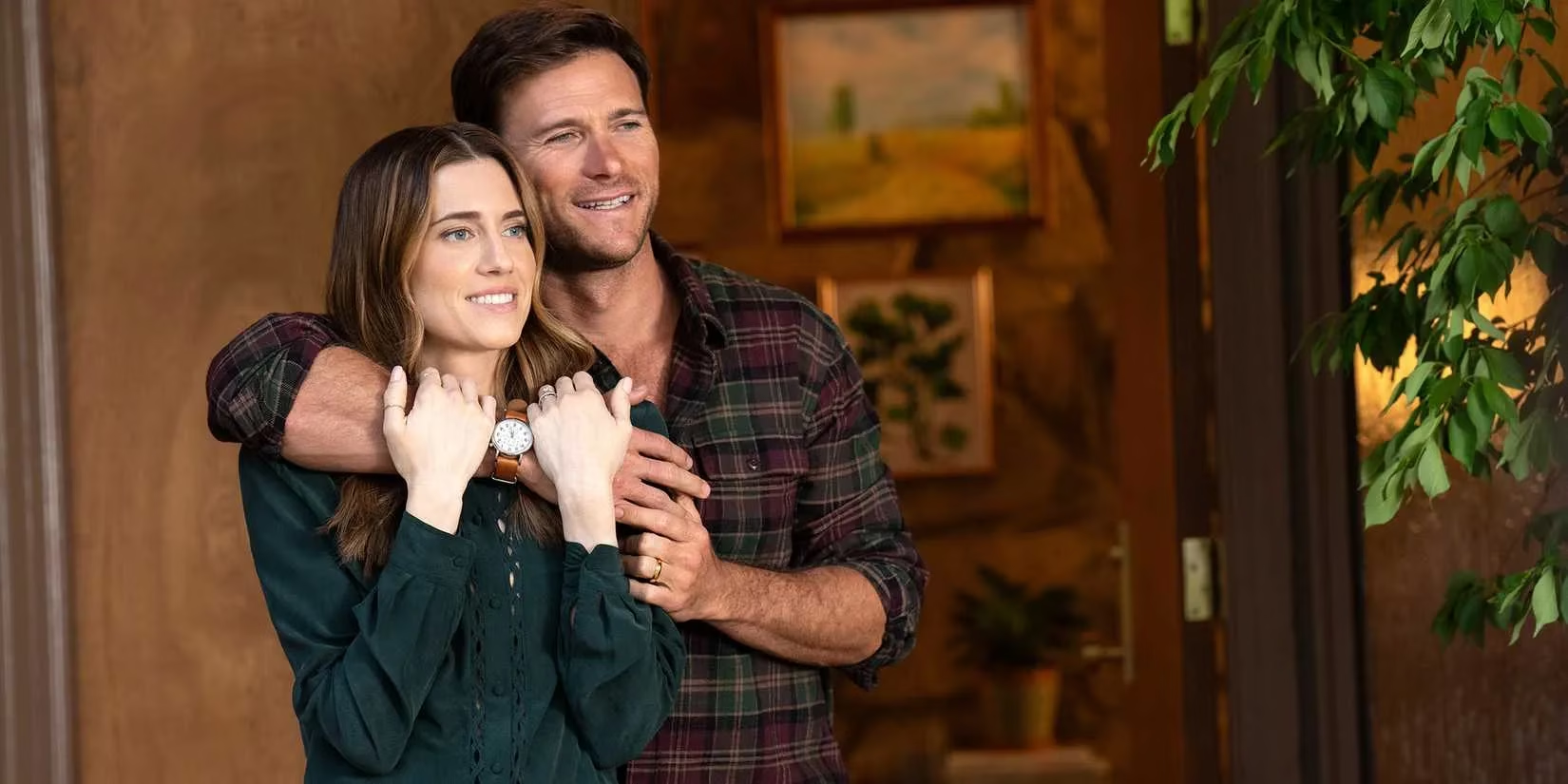
Dave Franco and Allison Williams spent months fine-tuning Morgan and Jonah's scenes. Their history is layered, and the movie does not have endless real estate to establish what happened before, what is happening now, and where the audience hopes things will go. Franco said they huddled with Boone and tore each scene apart, asking whether it was the best version based on what they had already shot. That kind of care shows in the quiet moments. Every glance has to carry meaning.
Scott Eastwood faced a different challenge with Chris, the picture-perfect husband who becomes more complicated as the story unfolds. He leaned into the good parts of Chris, especially his role as a father, while knowing there were secrets underneath. He described the performance as a matter of living the reality that you might be doing something that could really hurt someone else, and that weighs on you. He also said something that stuck with me: you are your choices. That is the whole movie in a sentence, really. Regretting You is not just about regret; it is about the consequences of choosing, and the fact that love does not cancel out harm.
A Director Who Thinks in Soundtracks
Boone's process is deeply musical. He said the first thing he does before accepting a job or writing a screenplay is make a soundtrack. It is how he convinces himself that he can make the movie. He looks for five or six anchor songs and knows where they go, and those songs often remain in the final film exactly as he imagined them. That approach explains why his movies feel so emotionally scored, and he openly cites Cameron Crowe as a favorite filmmaker. I think that is why Regretting You feels warm even when it is sad. It is not afraid of a needle drop or a moment of levity.
What I Took Away
| Element | What stood out to me |
|---|---|
| Clara and Morgan | The friction feels lived-in, not staged |
| Clara and Miller | The friendship-first chemistry makes the romance believable |
| Lexie | A light performance with a heavy private foundation |
| Morgan and Jonah | Quiet history carried in glances and silence |
| Chris | Guilt played without turning him into a cartoon villain |
By 2026, we have had time to see how Hoover adaptations fit into the larger movie landscape. They are not for everyone, and they are not meant to be. Regretting You works because it takes grief seriously without making every scene a funeral. It lets people laugh, flirt, argue, and make bad choices. As someone who loves games about consequence, I found that honesty refreshing. The film does not offer a reset button. It offers something harder and more human: the chance to look at your choices and decide what kind of person you want to be next. 🎮💔🎬
Comments