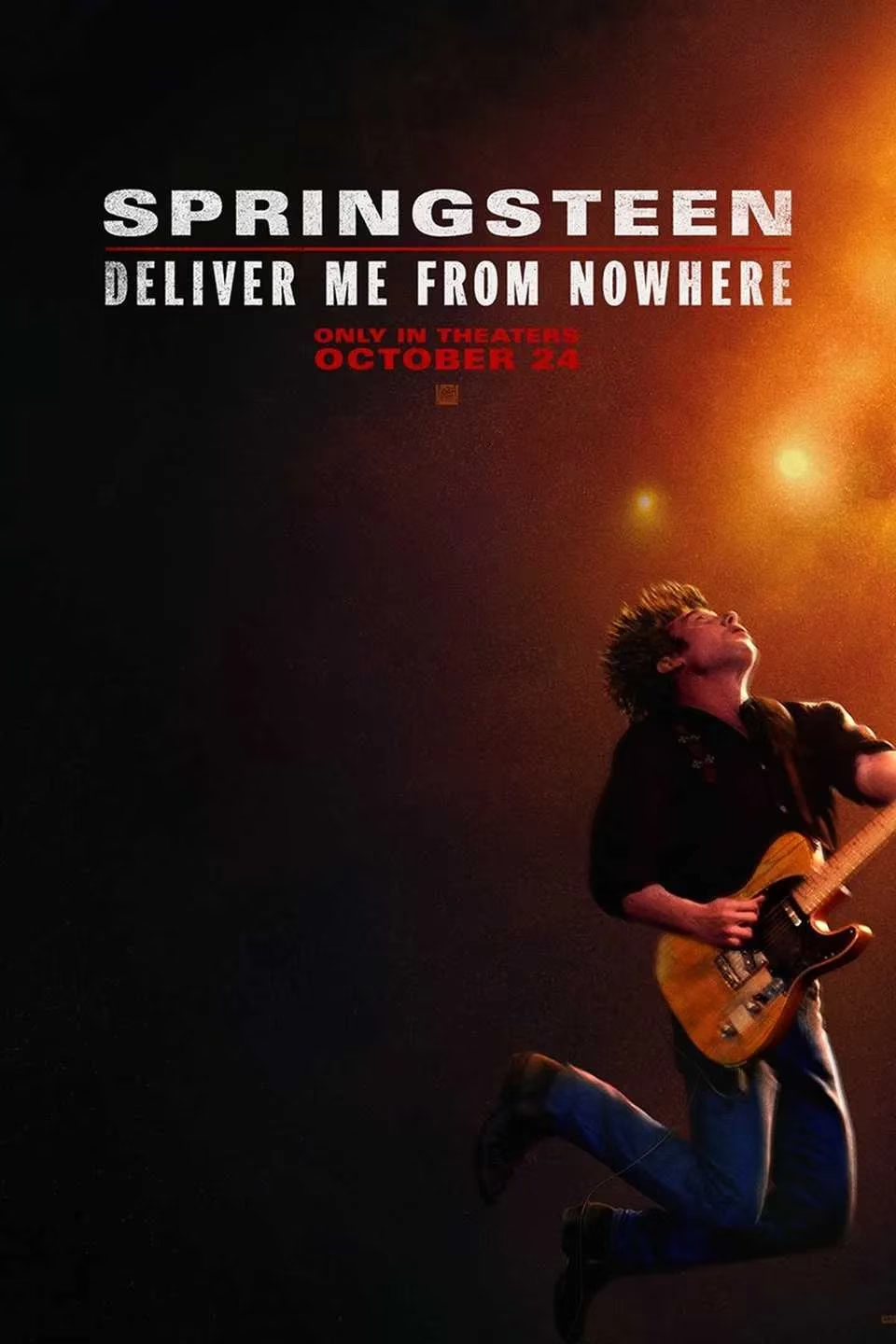
In the hushed echoes of a rented New Jersey home, Bruce Springsteen sat alone with a four-track recorder, crafting not anthems for arenas but whispers of introspection. The year was 1982, a pivotal moment captured in Scott Cooper's upcoming film, Deliver Me From Nowhere, where the rock titan traded the roar of crowds for the raw silence of self-discovery. This wasn't just a retreat; it was a rebellion against the glittering facade of fame, a plunge into the depths where vulnerability and truth intertwine like old friends in a dimly lit room. The album Nebraska emerged from this solitude, a stark contrast to the chart-topping Born in the U.S.A. that would follow, yet it holds the essence of Springsteen's soul—unpolished, unflinching, and utterly human. As the film's release approaches in October 2025, it promises to peel back the layers of a legend, revealing the man behind the myth in all his flawed glory.
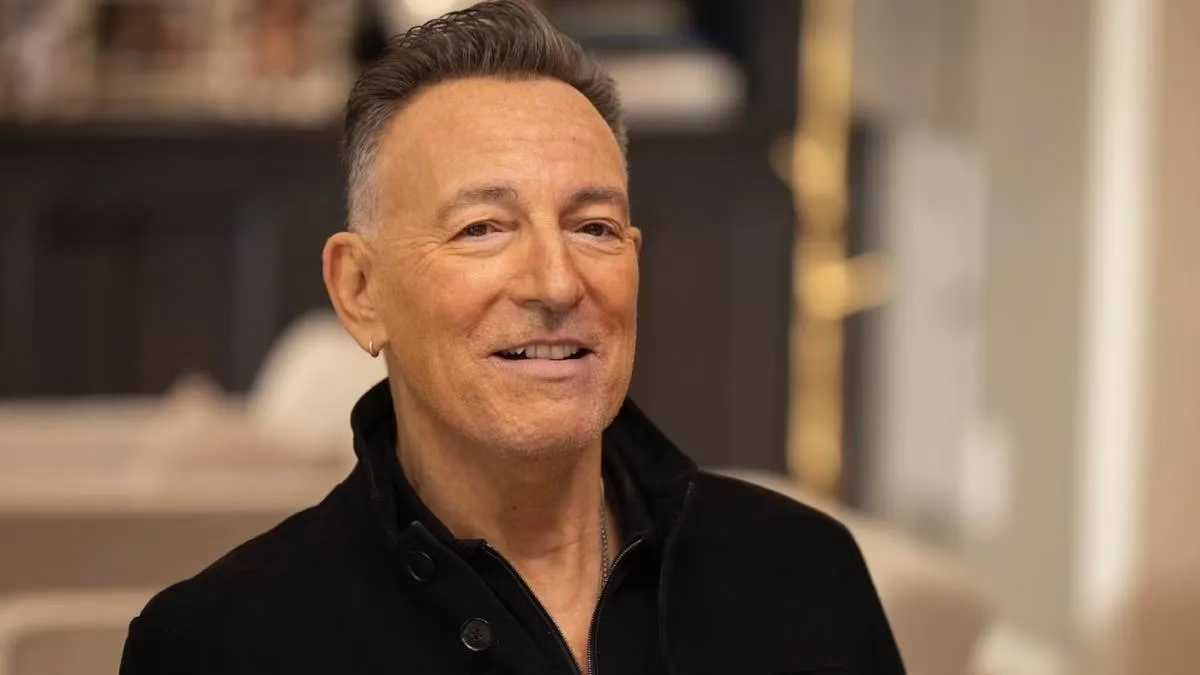
Director Scott Cooper, known for gritty tales like Crazy Heart, found himself on a journey mirroring Springsteen's own when he embarked on this project. He spent countless hours with the Boss—tagging along on European tours, sharing late-night FaceTime calls, and digging into the crevices of a life lived large. It was during one such conversation that Springsteen dropped a bombshell of wisdom: "The truth about yourself isn't always pretty. Make a Scott Cooper film because your movies never left the audience off the hook. They don't sand off the edges and they tell the truth." That advice, simple yet seismic, shattered any notion of a sanitized biopic. Cooper realized he couldn't build a pedestal; instead, he had to lay bare the highs and lows, the triumphs and tumbles, of an artist who'd always worn his heart on his sleeve. You know, it's like Springsteen was saying, "Don't pretty me up—I'm no saint, just a guy with a guitar and ghosts." The film, based on Warren Zanes's intimate book, became a quest to capture that authenticity, where even the darkest corners of failure weren't glossed over but embraced as part of the tapestry.
The Nebraska era, as Cooper discovered, was a time of profound vulnerability for Springsteen. Fresh off the River Tour in 1981, he stood at the brink of superstardom but chose to turn inward, away from the deafening applause. This decision, Cooper notes, was "incredibly artistically courageous"—a rarity among public figures who often fear that showing weakness might tarnish their image. But for Springsteen, it was about honesty over heroism. The album itself seems to breathe with a life of its own, whispering tales of isolation and resilience, as if the melodies were confessions spilled in the dead of night. Cooper's challenge was daunting: to translate this intimate chapter onto the screen without succumbing to "preconceived notions" fans might hold. After all, casual listeners might not know Nebraska like they know "Born to Run," but the film aims to be an eye-opener, a bridge to understanding the man behind the music.
Here's a glimpse into the film's essence through key elements:
| Aspect | Details |
|---|---|
| Focus | Springsteen's 1982 album Nebraska and its creation |
| Theme | Vulnerability, truth, and the courage of introspection |
| Actor | Jeremy Allen White as Bruce Springsteen |
| Release Date | October 24, 2025 (mark your calendars!) |
| Director's Insight | "It's about telling the truth of a man, not an idealized version." |
Jeremy Allen White steps into Springsteen's shoes, bringing a raw intensity to the role. His portrayal isn't just an imitation; it's an embodiment of the artist's spirit during those turbulent times. Cooper spent "an inordinate amount of time" with Springsteen to ensure every detail resonated, from the "lowest lows" to the "highest highs." This closeness allowed him to uncover layers that even autobiographies miss—like how the silence of that New Jersey house wasn't empty but full of unspoken battles. The film refuses to shy away from pain, making it a stark contrast to posthumous biopics like Walk the Line. Instead, it's a living testament, crafted with Springsteen's blessing, that says, "Hey, life's messy, and that's okay."
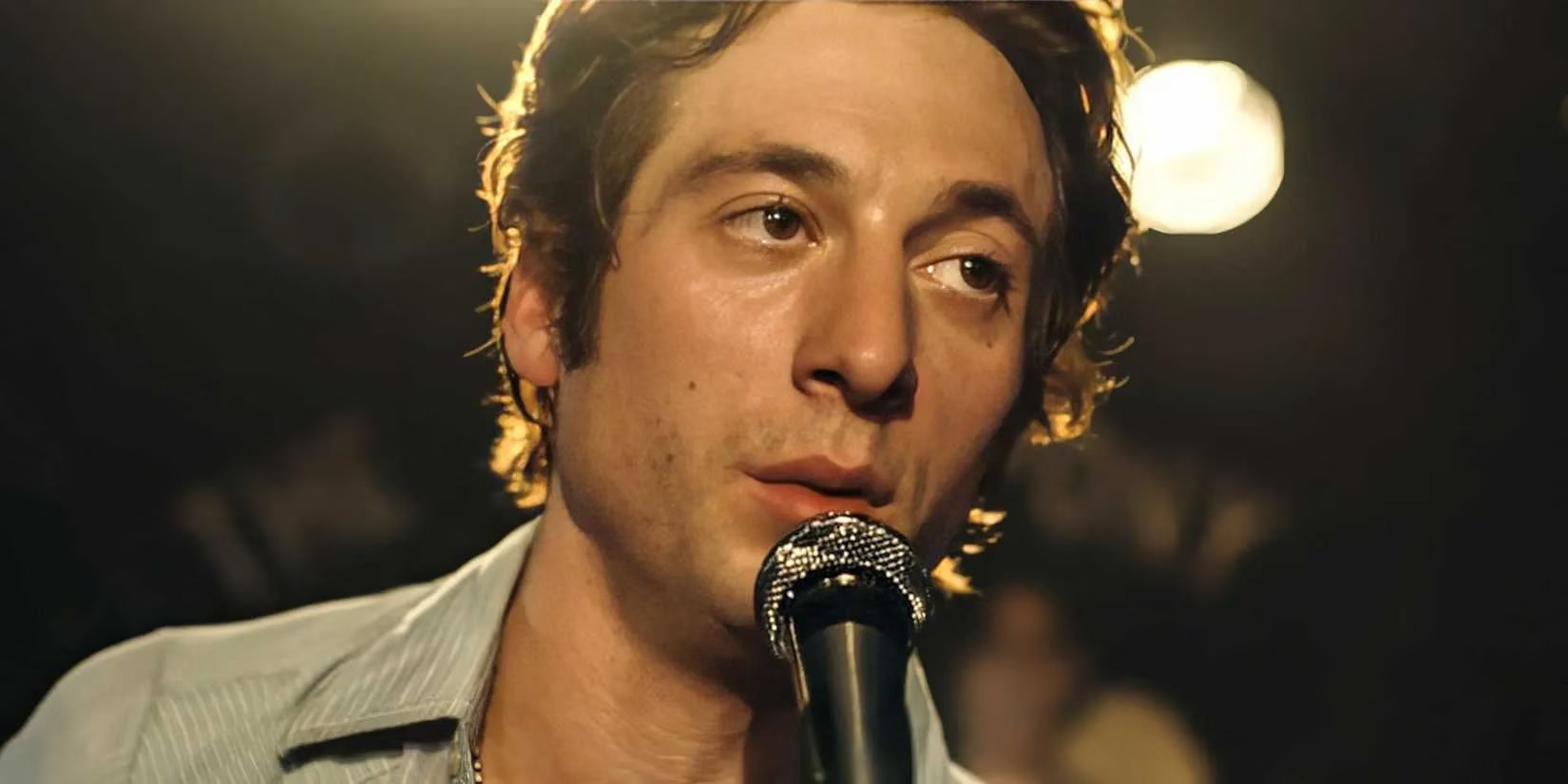
As Deliver Me From Nowhere gears up for its fall debut, it stands as a beacon of artistic bravery. The guitar strings may have wept in those quiet moments, but they also sang of resilience. 😢🎸 Cooper's direction, infused with Springsteen's ethos, ensures that the audience isn't just watching a story—they're feeling it, warts and all. It's raw, it's real, and honestly, it might just leave you sitting in the dark long after the credits roll, pondering your own truths. Because in the end, isn't that what great art does? It holds up a mirror, cracks and all, and dares you to look. The silence of that New Jersey home echoes still, a reminder that in vulnerability, we find our strength.
Comments