When a filmmaker as obsessively gothic as Guillermo del Toro announces he’s finally adapting Frankenstein, the collective gasp from monster-loving cinephiles could power a thousand lightning rods. And yet, after the credits rolled in 2026, a curious phenomenon swept through theaters: polite applause, followed by a quiet shuffle toward the exit, as if audiences had just attended a very lavish lecture. Why such a tepid reception for a movie dripping with cadaverous chic and star power? The answer, much like Victor’s creation, is a matter of beautiful parts assembled with questionable intent.
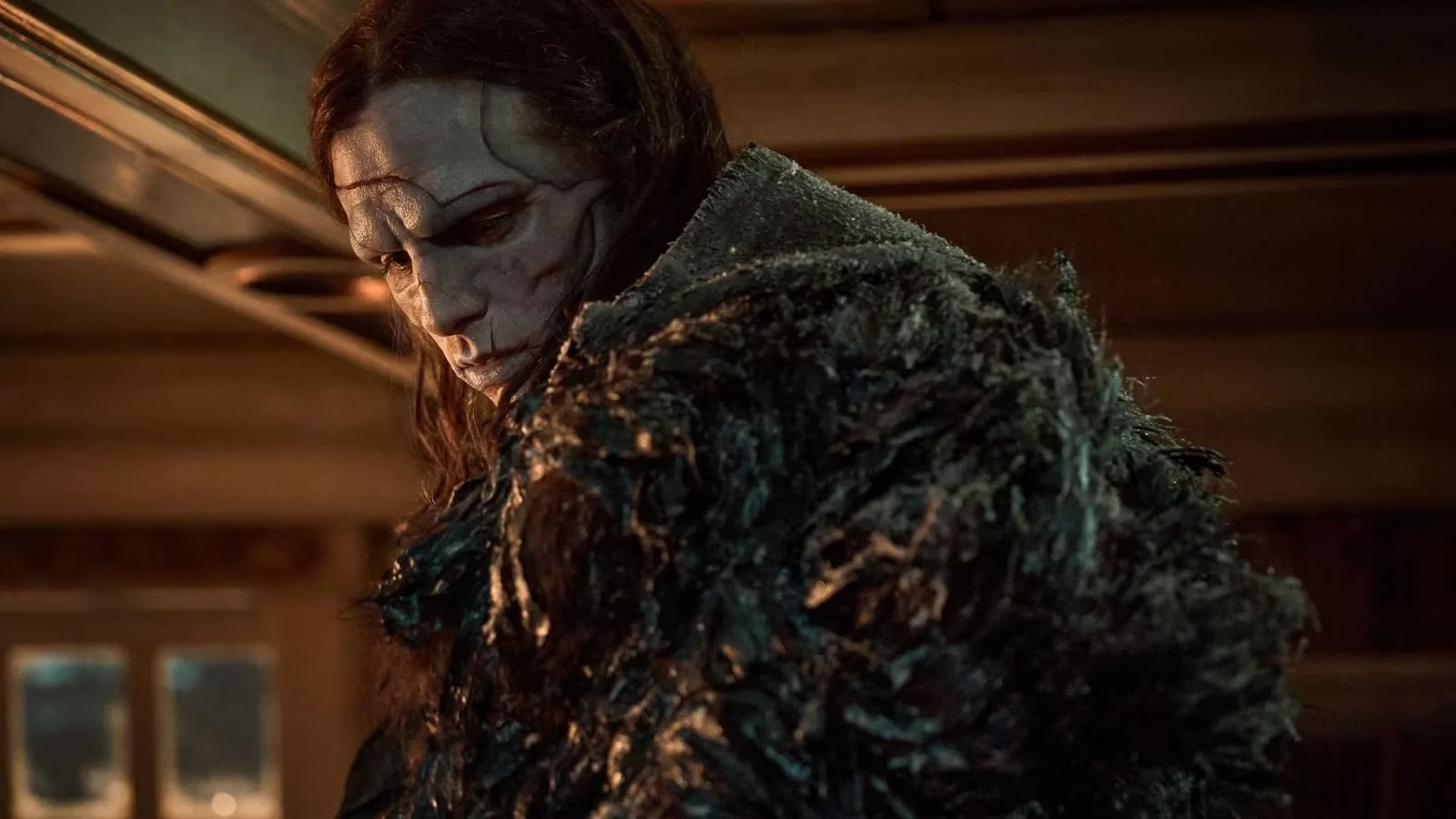
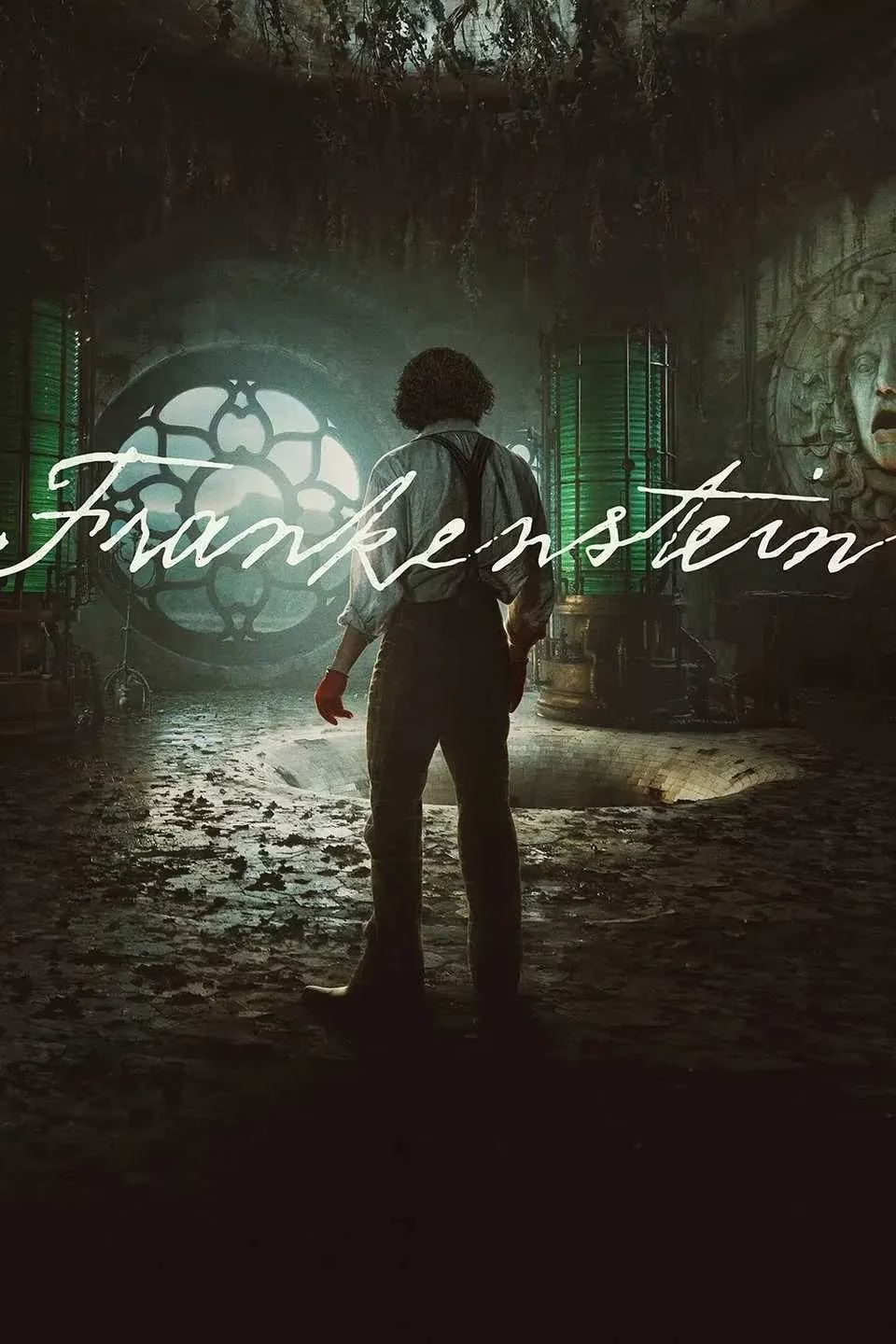
Let’s start with the stitches that hold this creature together so magnificently. Jacob Elordi, for one, emerges as the unshakable soul of the film. His monster is a towering slab of pathos—a hulking, scarred colossus who somehow conveys the wounded innocence of a child dumped at a bus station. Elordi nails every dewy-eyed stare and clumsy gesture, delivering what might just be his career-best performance. Oscar Isaac’s Victor is all clenched-jaw obsession and period-appropriate sideburns, chewing through dialogue like a man possessed by the ghost of mad science itself. On a technical level, the movie is a feast: lush cinematography, sumptuous costumes, and production design that screams “I watched Crimson Peak and said, hold my absinthe.” If Oscar nominations were handed out for sheer visual opulence, Del Toro’s Frankenstein would need a wheelbarrow.
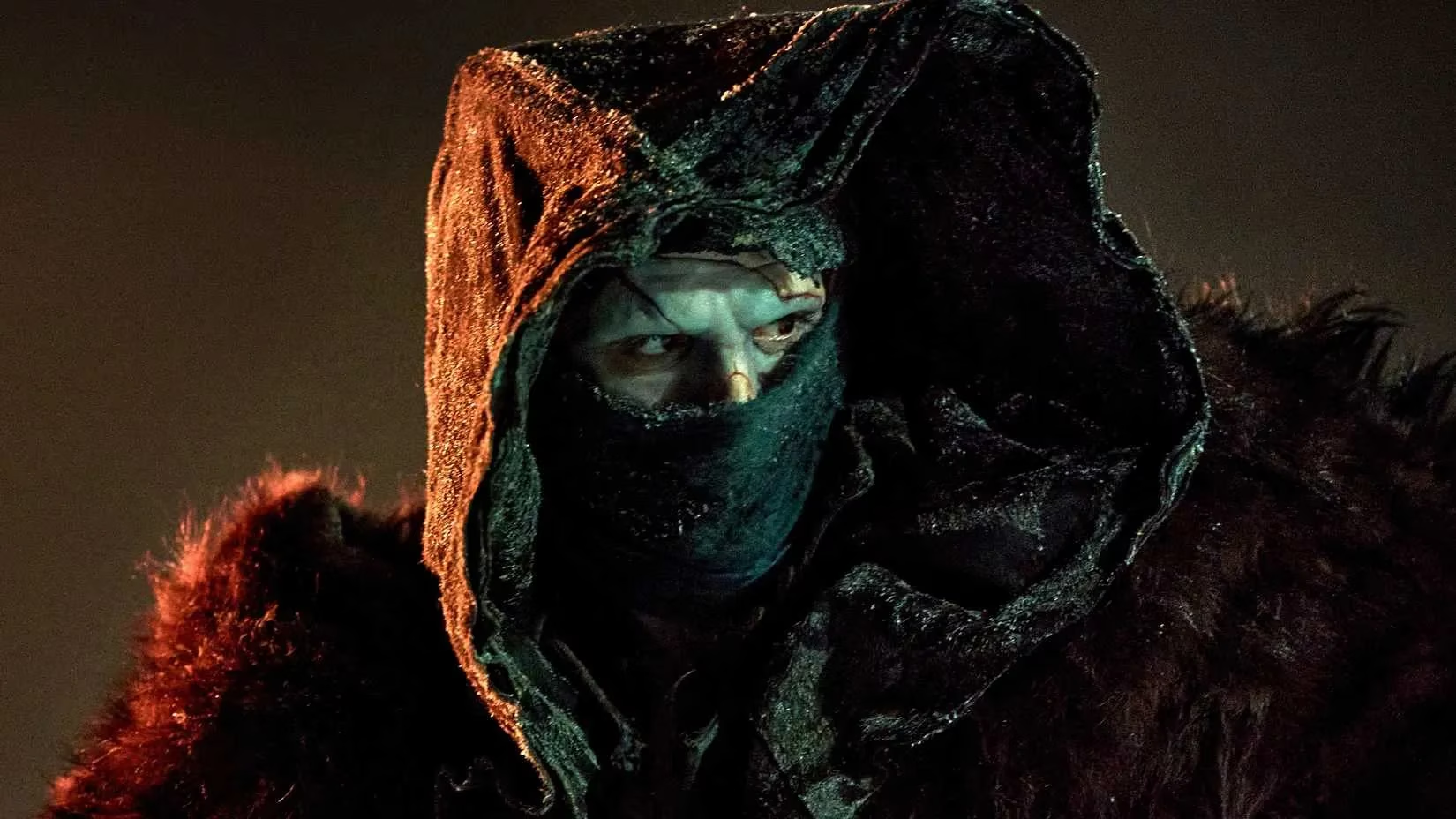
So what turned this gothic soufflé so flat? The tragedy isn’t that Del Toro strayed from Mary Shelley’s novel—it’s that he clung to it with the tenacity of a barnacle, forgetting that the novel’s power lies not just in its plot beats but in its elusive, poetic sense of doom. Shelley’s tragedy hums with a dark irony: Victor achieves the impossible but can’t love his own miracle, and the Creature becomes a walking graveyard, destroying everything as much because of his maker’s neglect as his own monstrous nature. The film spells this out like a TikTok explainer. Characters practically turn to the camera and declare, “You see, Victor is the real monster.” Subtlety is a foreign concept, apparently not included in the Netflix budget.
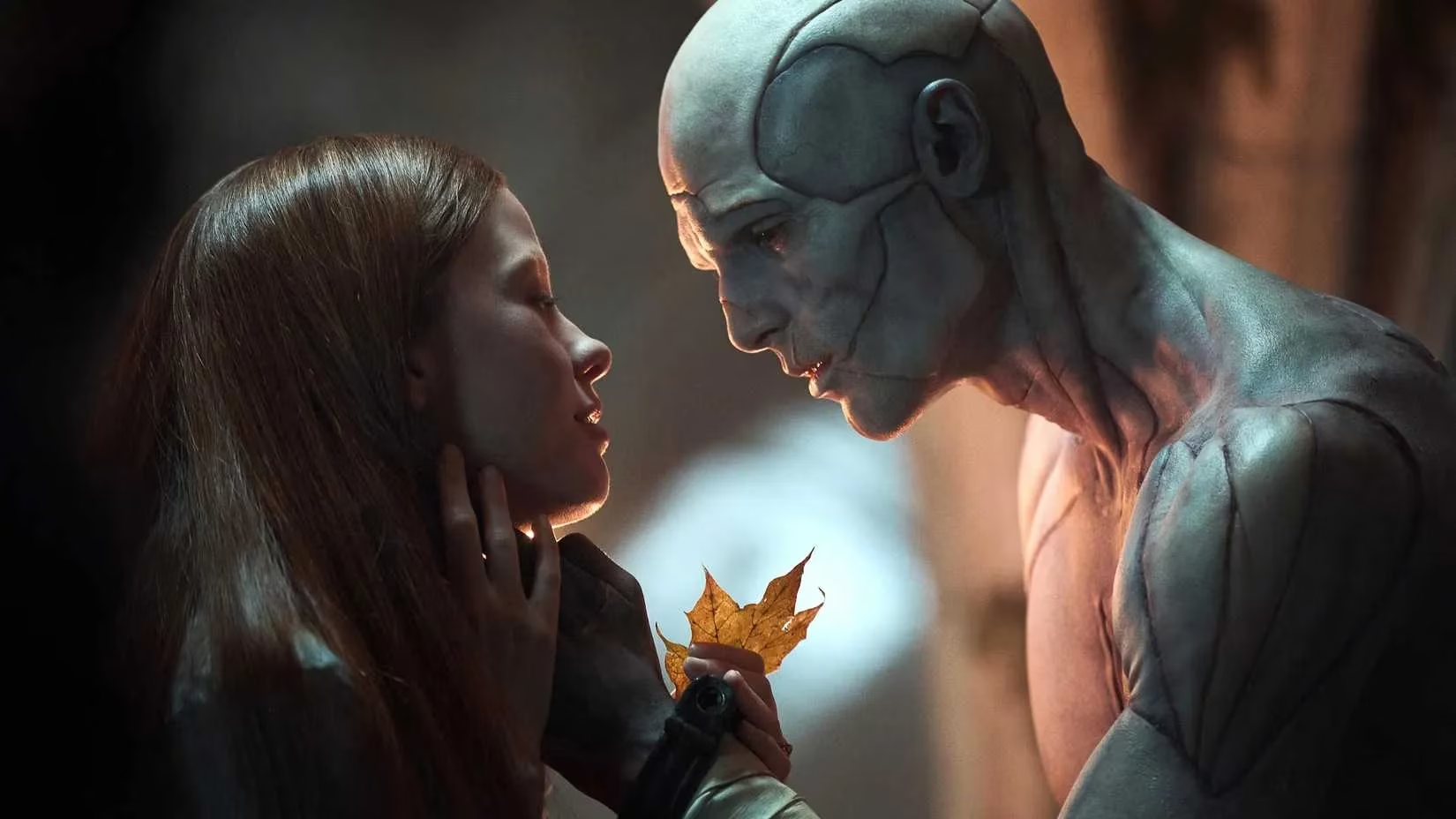
The result is a movie that tells you what to think, rather than dragging you into the moral quagmire. Every time the Creature appears, the score swells with such tear-jerking insistence that you half-expect a subtitle: “Cry now.” And because Del Toro’s great love is humanized monsters, the Creature is rendered harmless in all the wrong ways—sympathetic to the point of being a giant, stitch-faced puppy who just needs a hug. The film forgets that Shelley’s monster is also destructive and intimidating, a force of nature that makes villagers reach for pitchforks for good reason. By sanding off those jagged edges, the story loses its dreadful momentum. One finds themselves checking a watch during what should be breathless sequences, wondering if the meandering will ever shock the proceedings awake.
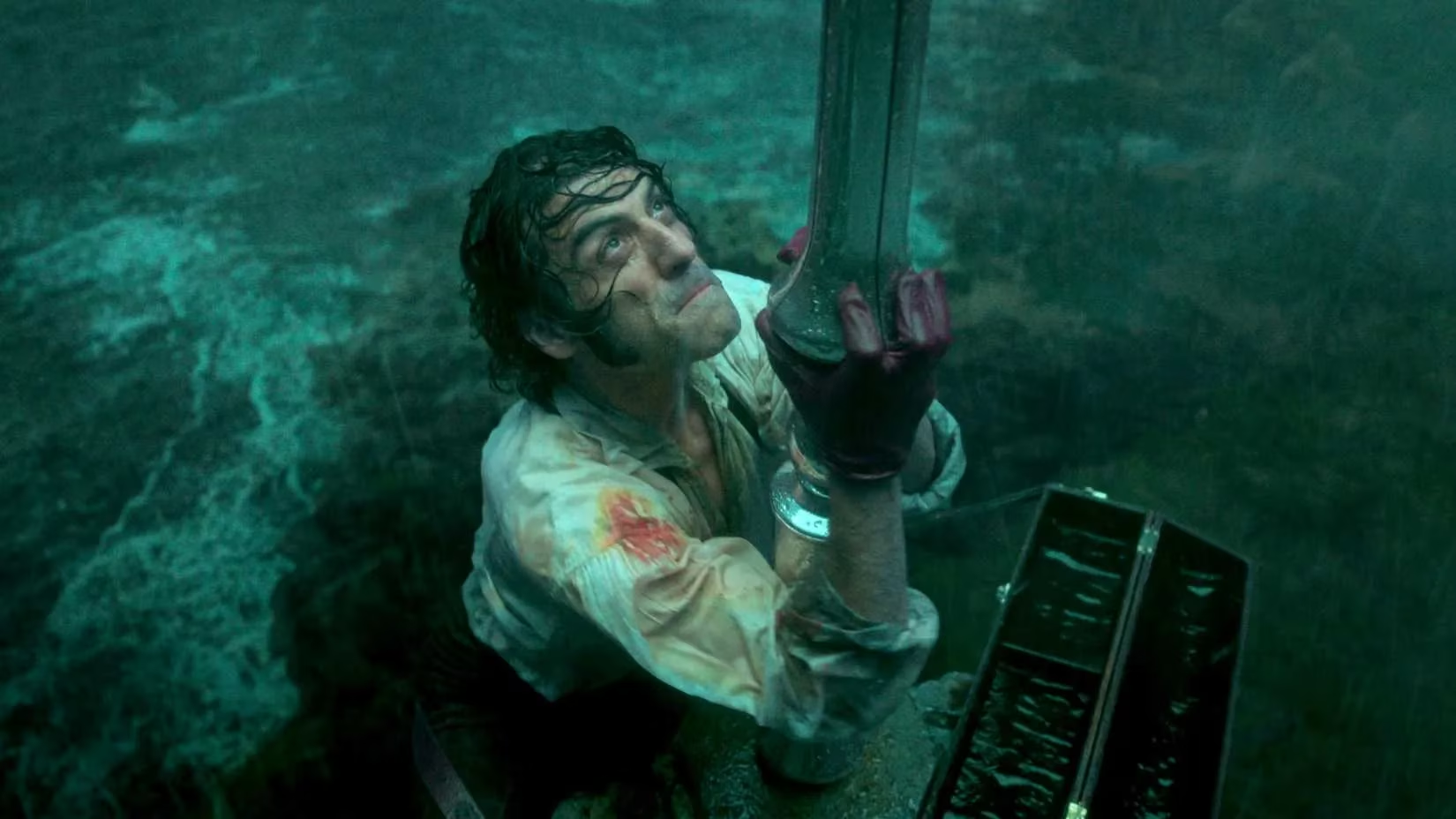
It’s almost too perfect an irony. Victor cobbles together a being from cadaver parts and lightning, expecting a miracle, only to recoil at the result. Del Toro cobbles together a film from gorgeous visuals and a beloved source, expecting a masterpiece, only to produce something that feels like an expensive museum diorama. The movie, much like its patchwork protagonist, is a demonstration of raw expertise—proof that the director can make a faithful adaptation—but it never asks the crucial question: should he have? After all, do we really need another straight-down-the-middle Frankenstein when the original novel already sits on shelves, its pages still crackling with unspoken horrors?
Perhaps the most vexing flaw is how the ending, a supposed moment of unadulterated empathy for the Creature, lands with the weight of a wet blanket. The buildup meanders so much that by the time the big emotional payoff arrives, you’ve already mentally redecorated the theater. Del Toro’s desire to guide your feelings rather than trust his own river of haunting imagery feels like an overbearing parent insisting you enjoy a birthday present. Good Gothic horror shouldn’t provide a study guide; it should haunt you for days.
In the end, Guillermo del Toro’s Frankenstein is a cautionary tale for filmmakers: don’t build a monster just because you can. It’s a beautiful, well-acted, impeccably dressed corpse that stubbornly refuses to lurch off the slab and do something shocking. One imagines Shelley herself peering over her spectacles, offering a wry smile. Even she’d ask for a little less lecture and a little more lightning.
Comments