Steven Spielberg's upcoming 2026 sci-fi film Disclosure Day marks his triumphant return to extraterrestrial storytelling, sparking excitement among cinema enthusiasts worldwide. The master filmmaker, renowned for his iconic alien narratives including Close Encounters of the Third Kind, E.T. the Extra-Terrestrial, and War of the Worlds, continues to explore humanity's fascination with cosmic visitors. His new project promises to delve into the provocative concept of long-hidden alien presence on Earth, challenging official narratives and governmental secrecy.

The Cultural Phenomenon of E.T.
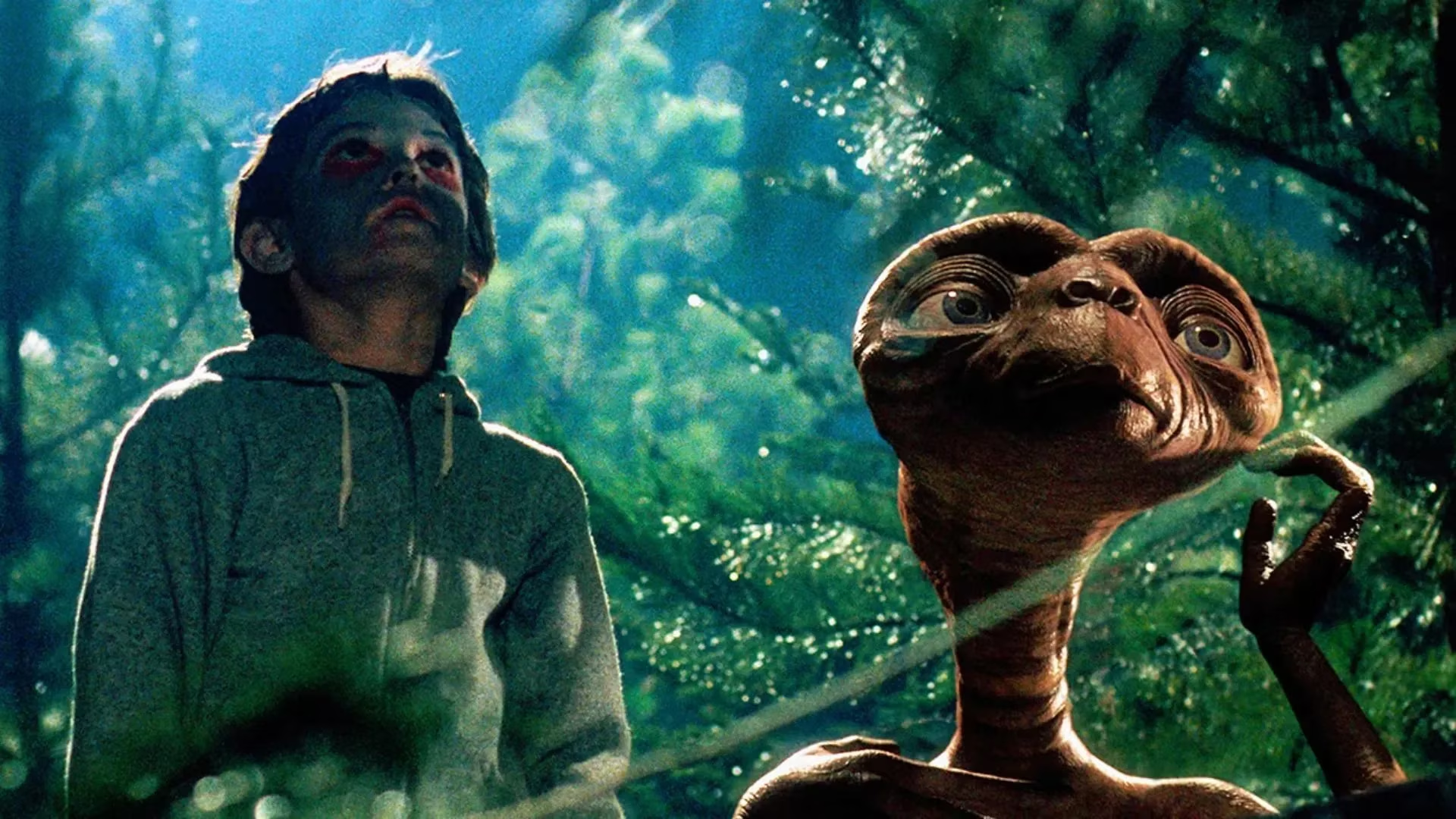
Spielberg's 1982 masterpiece E.T. the Extra-Terrestrial revolutionized how audiences perceived alien encounters. The heartwarming narrative followed an abandoned alien scientist who forms an unlikely friendship with a young boy named Elliott while evading government forces determined to capture and study him. This emotional journey resonated deeply with viewers, contrasting sharply with typical alien invasion tropes.
E.T.'s remarkable achievements include:
-
Becoming the highest-grossing film of all time in 1983, surpassing Star Wars
-
💰 Earning $619 million during initial theatrical run ($2.3 billion adjusted for inflation)
-
🍫 Boosting Reese's Pieces sales by 65% through strategic product placement
-
📻 Generating extensive merchandise including fan clubs, newsletters, and vinyl records
The film's optimistic tone arrived during Cold War tensions, offering cinematic comfort when audiences needed it most. Its enduring popularity demonstrates how Spielberg captured universal themes of friendship, belonging, and overcoming bureaucratic oppression.
The Unfortunate Timing of Competing Sci-Fi Classics
While E.T. soared at the box office, two other significant sci-fi releases struggled to find their audience in 1982. The public's overwhelming embrace of Spielberg's friendly alien created challenging conditions for darker, more complex extraterrestrial narratives.
Blade Runner's Initial Struggle
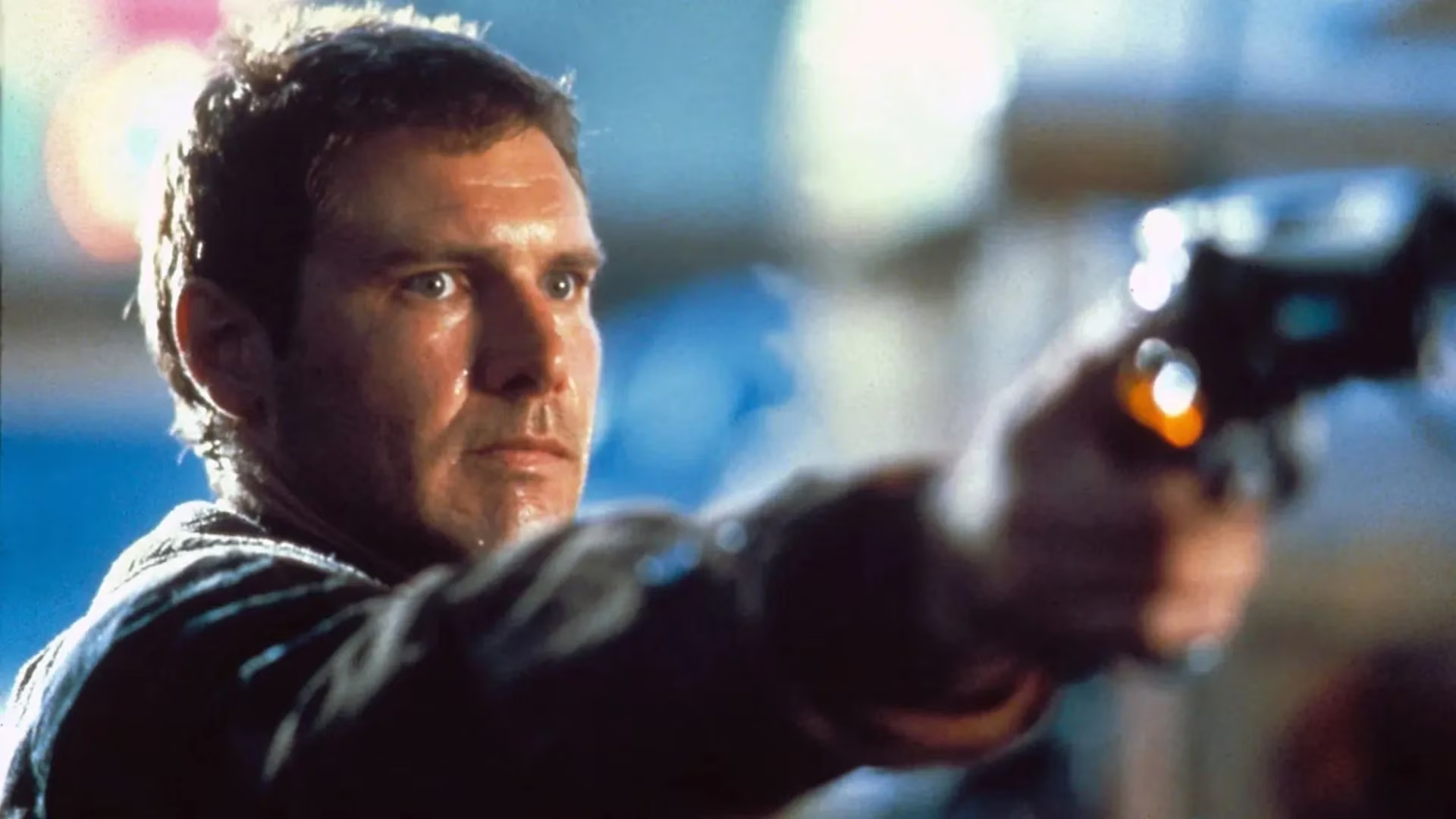
Ridley Scott's cyberpunk masterpiece Blade Runner, starring Harrison Ford fresh from his Star Wars success, presented a dystopian vision of synthetic humans fighting for autonomy. Despite its visual innovation and philosophical depth, the film faced significant hurdles:
| Aspect | Initial Reception | Later Recognition |
|---|---|---|
| Box Office | $41.8 million on $30M budget | Cult classic status |
| Critical Response | Mixed reviews, pacing complaints | 89% Rotten Tomatoes score |
| Cultural Impact | Misunderstood upon release | Sci-fi genre benchmark |
The Thing's Commercial Failure
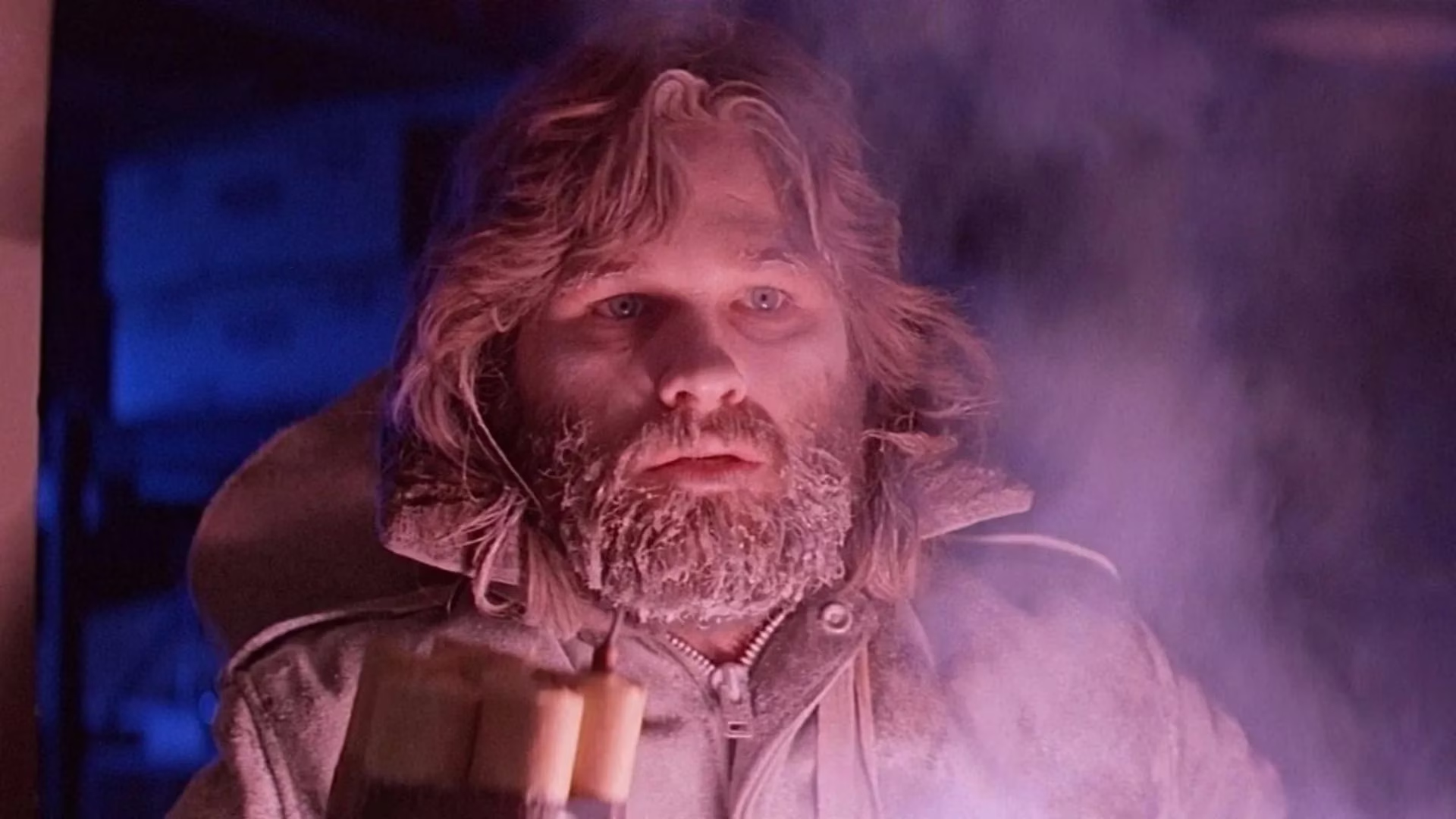
John Carpenter's chilling body-horror film The Thing faced even greater commercial disappointment. The story of a shapeshifting alien creating paranoia among Antarctic researchers was initially rejected by audiences seeking lighter entertainment.
The film's challenging release included:
-
❄️ Earning only $19.6 million on a $15 million budget
-
👎 Universal negative critical reception
-
🎥 Costing Carpenter his Firestarter directing opportunity
-
😔 Becoming a professional low point for the acclaimed director
The Remarkable Reassessment
Both Blade Runner and The Thing experienced extraordinary critical transformations through home video distribution and changing audience perspectives. What initially appeared as commercial failures eventually became celebrated cinematic achievements.
The Thing's Horror Renaissance
Through VHS circulation and cable television exposure, Carpenter's masterpiece gained recognition for its:
-
Practical effects that remain impressive decades later
-
Psychological tension and atmospheric dread
-
Themes of trust and identity in isolation
-
Innovative creature design and transformation sequences
Current critical standing:
-
🍅 85% Rotten Tomatoes critics score
-
👥 92% audience approval rating
-
🏆 Frequent inclusion in "greatest horror films" lists
-
🔥 Enduring cult status among genre enthusiasts
Blade Runner's Sci-Fi Legacy
Ridley Scott's vision eventually achieved recognition as one of science fiction's most intelligent and visually influential works. The film's exploration of artificial consciousness and human identity resonated with later audiences, earning it:
-
🌃 Recognition as a visual storytelling benchmark
-
🤖 Philosophical depth regarding humanity and technology
-
Multiple director's cuts enhancing narrative clarity
-
91% audience score demonstrating lasting appeal
Lasting Impact and Modern Relevance
Four decades later, all three films maintain significant cultural relevance. E.T. continues to represent family-friendly sci-fi at its most emotionally resonant, while Blade Runner and The Thing demonstrate how initial commercial failure doesn't preclude eventual masterpiece status.
Key takeaways for contemporary filmmakers:
-
Audience reception can evolve dramatically over time
-
🌈 Different tones and approaches can coexist successfully
-
📀 Home media can rescue films from initial disappointment
-
️ Artistic merit often transcends initial commercial performance
Spielberg's forthcoming Disclosure Day enters a cinematic landscape where diverse alien narratives thrive simultaneously. Modern audiences appreciate both optimistic and darker extraterrestrial stories, demonstrating how viewer sophistication has evolved since 1982. The film's exploration of government transparency and hidden truths continues Spielberg's fascination with how humanity responds to the unknown.
As cinema approaches the 2026 release of Disclosure Day, the legacy of these three iconic alien films reminds viewers that artistic value isn't always immediately apparent. Sometimes, the most enduring stories require time to find their proper audience and recognition.
Comments