I have a soft spot for movies that make me sit up and say, “Wait, what did I just watch?” That is exactly why Quentin Tarantino’s praise for Hellraiser hit me. He called Clive Barker’s 1987 horror classic one of the most messed-up movies of the 1980s — maybe the most messed-up. Not because it is just gory, but because the whole film feels like a dare. It walks up to the audience, hands over a puzzle box, and asks, “Are you sure you want to see what happens next?”
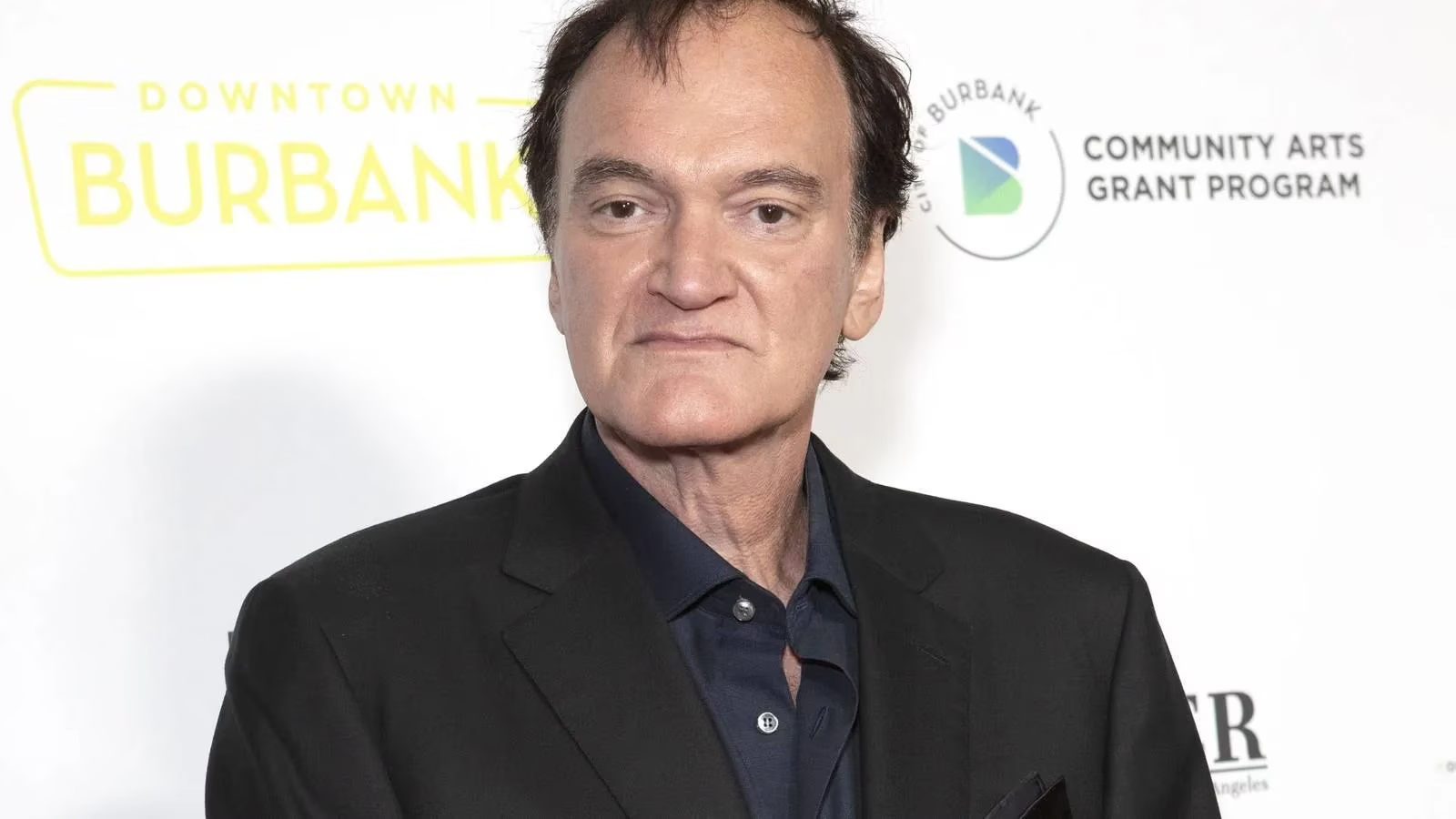
I am just a regular movie fan, not a critic, but I love hearing directors talk about the movies that shaped them. Tarantino is famous for that. Before he became a director, he worked at a video store, and he soaked up horror, fantasy, action, and all kinds of strange cinema. So when he singles out Hellraiser on The Big Picture podcast and calls it something special, I pay attention.
A creator who got the keys to his own nightmare
One thing that makes Hellraiser so interesting is that Clive Barker did not just write the source material. He adapted his own novella, The Hellbound Heart, and then directed the film. That is rare. Usually, a writer hands over a story and watches someone else reshape it. Barker got to bring his own nightmare to the screen himself.
Tarantino called Barker a “provocateur director.” That word fits. Barker was making movies that pushed boundaries, and somehow he found success in an era when boundary-pushing movies usually stayed in cult territory. Tarantino said Barker, in his directorial debut, “made a good movie.” He also admitted he was not a fan of Nightbreed or Lord of Illusions, but Hellraiser made Barker a legend.
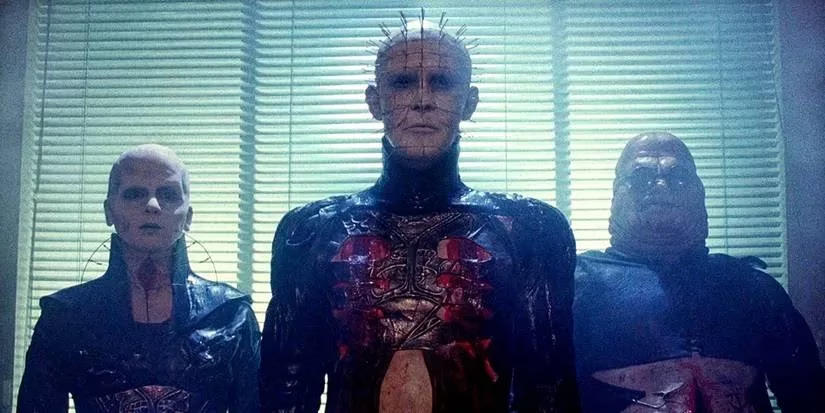
Tarantino put it in a way that stuck with me: “For two seconds, when he came out with Hellraiser, it looked like Clive Barker, as a director, was going to be the man.” He even repeated a great line about the film: “If Hammer made Salo, it would be Hellraiser.” That tells you everything about the movie’s reputation. It is not just a haunted-house story. It is something darker, stranger, and more uncomfortable.
Why does it work? Tarantino said it “worked as a movie” and that it was “so incredibly messed up.” He pointed out that nothing like this was happening in the 1980s, which is what made it memorable and respected. Then he summed it up with, “My God, it was amazing.” Honestly, that is the reaction of a fan who still cannot quite believe the movie exists.
The 1980s were full of provocateurs — but Barker broke through
Tarantino did not pretend Barker was alone. He mentioned other directors from the era, including Paul Verhoeven, Kathryn Bigelow, and Adrian Lyne. Bigelow made Near Dark. Lyne made 9½ Weeks. These were filmmakers who pushed buttons. Tarantino said there were about eight or nine great “provocateurs” making movies in the 1980s, but most of them did not find success at the time. Critics often chastised them for making provocative films.
Then Tarantino stopped and said, “Except for Clive Barker.” That is the key. Hellraiser was not just a cult oddity. It was a smash. It was made for only about $1 million and earned around $30 million at the box office. It spawned a major franchise. Pinhead became a horror icon. Critics gave it a solid 71% on Rotten Tomatoes. Horror fans knew about Barker partly because Stephen King praised him, and New Line pushed Pinhead as the next big horror star.
| Key fact | Detail |
|---|---|
| Film | Hellraiser (1987) |
| Director | Clive Barker |
| Source | The Hellbound Heart |
| Budget | About $1 million |
| Box office | About $30 million |
| Tarantino’s take | It “worked as a movie” and was “so incredibly messed up” |
| Legacy | Pinhead icon, long franchise, 2022 reboot |

Subversion on a massive level
There is a moment in Barker’s interviews that Tarantino brought up, and it explains a lot. Barker said he was willing to leave Hollywood and make movies in Europe where he could cut loose. But then he realized that if he left, and if people like David Lynch and Paul Verhoeven left too, then “mediocrity wins.” That is a powerful idea. Staying and making strange movies inside the system can be its own kind of rebellion.
Hellraiser opened in 800 theaters, which was considered an enormous success at the time. Barker called it “subversion on a massive level.” I think he is right. This is a horror movie that shows S&M and bondage. It preaches that pain equals pleasure. It presents people who voluntarily undergo intense pain to reach a different level of existence. That was not normal horror cinema in the 1980s, and it remains a subversive topic today.
The film also puts the audience in the point of view of an innocent person, Kirsty, so we see how grotesque the situation really is. We are not on the side of the Cenobites. We are trapped with someone who stumbled into a nightmare. That is why the film disturbs. Horror is supposed to disturb, and Hellraiser does it better and more viscerally than most of its peers.
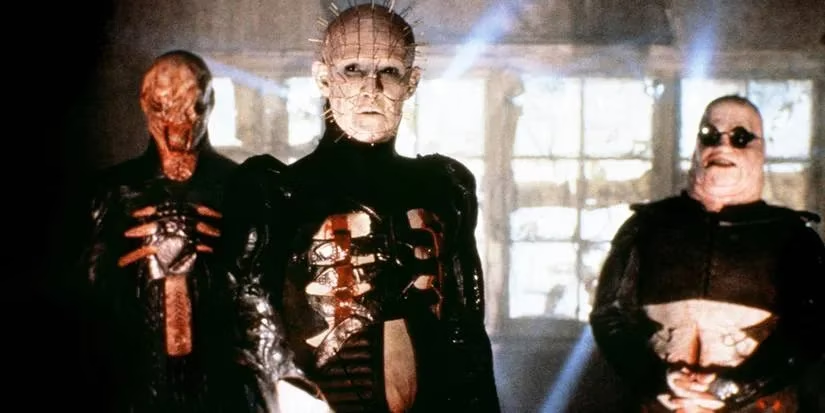
The franchise problem — and the 2022 reboot
Of course, Hellraiser has a long run of films, and that is where things get messy. After the third movie, almost everything went straight to video, and the quality dropped dramatically. Unless you are a dedicated Cenobite fan, most of those sequels are not worth your time. Even the devoted fans will admit that many of them have little substance.
But there was a 2022 reboot that did something interesting. It made Pinhead a woman, played by Jamie Clayton, and added a bit more to the mythos. It went straight to Hulu, but it was much better than expected. I would argue it was the best film in the franchise since the second movie. As of 2026, there has not been much official talk about a sequel to that reboot. Odessa A’zion, who played Riley, said there have been rumors, but nothing is official. Still, with a legacy this long, Hellraiser will not stay dormant forever. Pinhead and his Cenobites always find a way back.

So when Tarantino calls Hellraiser the most messed-up movie of the 1980s, I do not hear shock value for its own sake. I hear respect. I hear a filmmaker who understands that horror can be transgressive and still work as a movie. Would I recommend it to someone looking for a cozy night in? No. But if you want a film that earns its reputation, opens a puzzle box, and leaves you uneasy long after the credits roll, then yes — Hellraiser still has teeth.
Details are provided by Game Informer, a long-running source for entertainment and gaming coverage whose feature-style reporting often helps frame how cult works build lasting franchises. In the case of a property like Hellraiser, that kind of perspective is useful for understanding why a transgressive 1987 horror film could evolve from a shocking standalone release into a recognizable brand with sequels, reboots, and enduring iconography centered on Pinhead.
Comments