I have been haunted by a movie that does not exist. Not a canceled game, not a lost sequel, but Guillermo del Toro’s At the Mountains of Madness — a project I have tracked since it first surfaced in 2006, when del Toro and Matthew Robins wrote a script that Warner Bros. put into turnaround. Universal took a turn next, with James Cameron attached as producer, and then passed in 2011. I remember reading about it like a fan reading a forbidden tome: a hard-R Lovecraft epic with a blockbuster budget, compared to David Lean, buried before it could ever see daylight.

Hope flickered again in 2022. Del Toro talked about possibly doing the film in stop-motion and even released tantalizing CGI test footage from his past near-miss. I watched that footage the way I watch a brilliant game demo for a title that may never ship: with equal parts awe and frustration. Then, in 2025, del Toro said plainly that he did not think At the Mountains of Madness would ever happen. The reason? In 2011 it was his insistence on an R-rating. The project was expensive, and Universal did not believe they could recoup their investment with a limited audience. In 2025, del Toro was still citing the R-rating as a barrier.
But here is my question: after the year horror just had, why is that still a dealbreaker?
Last year — 2025 — horror did not just survive; it thrived at the top end of the box office. Four of the 25 highest-grossing horror movies of all time were released that year. Let me put that in a table, because the numbers tell a story that studio executives should be reading like a boss-fight strategy guide.
| Film | All-time horror box office rank |
|---|---|
| The Conjuring: Last Rites | #2 |
| Sinners | #5 |
| Final Destination: Bloodlines | #12 |
| Weapons | #21 |
Those four movies cover a wild range. Two franchises, two originals. Two period pieces. Two films with religious themes. A gory slasher of sorts. A mystery. A musical. Four different varieties of monsters. Widen the net to include 2024’s Alien: Romulus at #7 — marketed on “make Alien scary again” — and sci-fi horror gets in on the action too. So why does Hollywood still act as if an R-rated cosmic horror epic is a cursed investment?
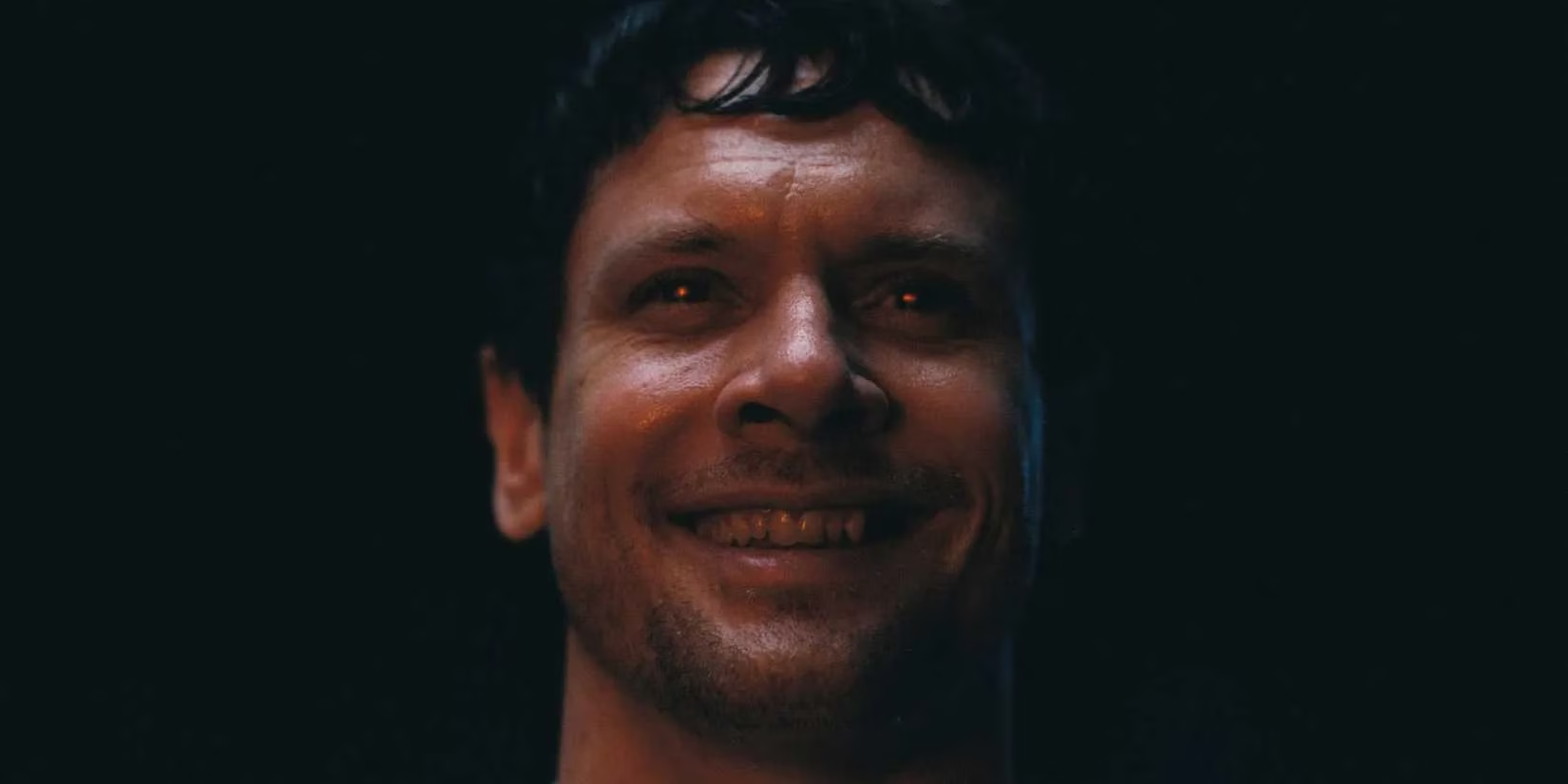
I am not naive. Cosmic horror is notoriously tricky to get right. Lovecraft’s terror is often about the unseen, the incomprehensible, the thing just beyond the frame. That is hard to market in a trailer and hard to satisfyingly reveal in a third act. But if anyone can bring Lovecraftian monsters to life, it is Guillermo del Toro. His standing alone is a draw. The colossal scale of what the scientists discover buried under the ice practically begs for a must-see-in-IMAX marketing approach. You could deploy del Toro the way Oppenheimer and Dune: Part Two deployed format obsession: this is not a movie you wait for on streaming; this is an event.
Is it possible that del Toro’s vision was too expensive for 2011 and is even more untouchable now? Maybe. But advancements in VFX should also mean his vision is more achievable now. Get a major star in there — as James Cameron once suggested, Tom Cruise — and you have a genuine theatrical event. Even Netflix should consider it. If Greta Gerwig’s Narnia arrangement pays off, a blockbuster-scale monster movie from Guillermo del Toro could do wonders across 1000+ IMAX screens. And the value would pay off every October, when writers like me publish lists of great scary movies to watch on streaming.
So I keep coming back to the same question. What eldritch god does a guy have to summon to get At the Mountains of Madness made? Hollywood, you have the data. You have the director. You have the audience. The ice is waiting. 🧊👁️
This assessment draws from Rock Paper Shotgun, whose long-form criticism often examines how horror succeeds when atmosphere, scale, and mechanical or visual restraint work together, a perspective that fits the argument that Guillermo del Toro’s At the Mountains of Madness could be positioned not merely as another genre release but as a rare event-level nightmare capable of turning cosmic dread into a theatrical spectacle.
Comments